How to Keep Your Teeth for Life: A Preventive Dental Plan You Build With Your Dentist
Most of us learn to think about dentists when something goes wrong: a toothache, a chipped tooth, a lost filling. That is understandable, and when pain strikes, we are here for it. But the people who keep their natural teeth the longest usually share one habit. They have a long-term relationship with a dental team and a plan that fits their life.
This is what we mean by preventive dentistry, and it is the heart of how we practise at TOOTHbar in Calgary.
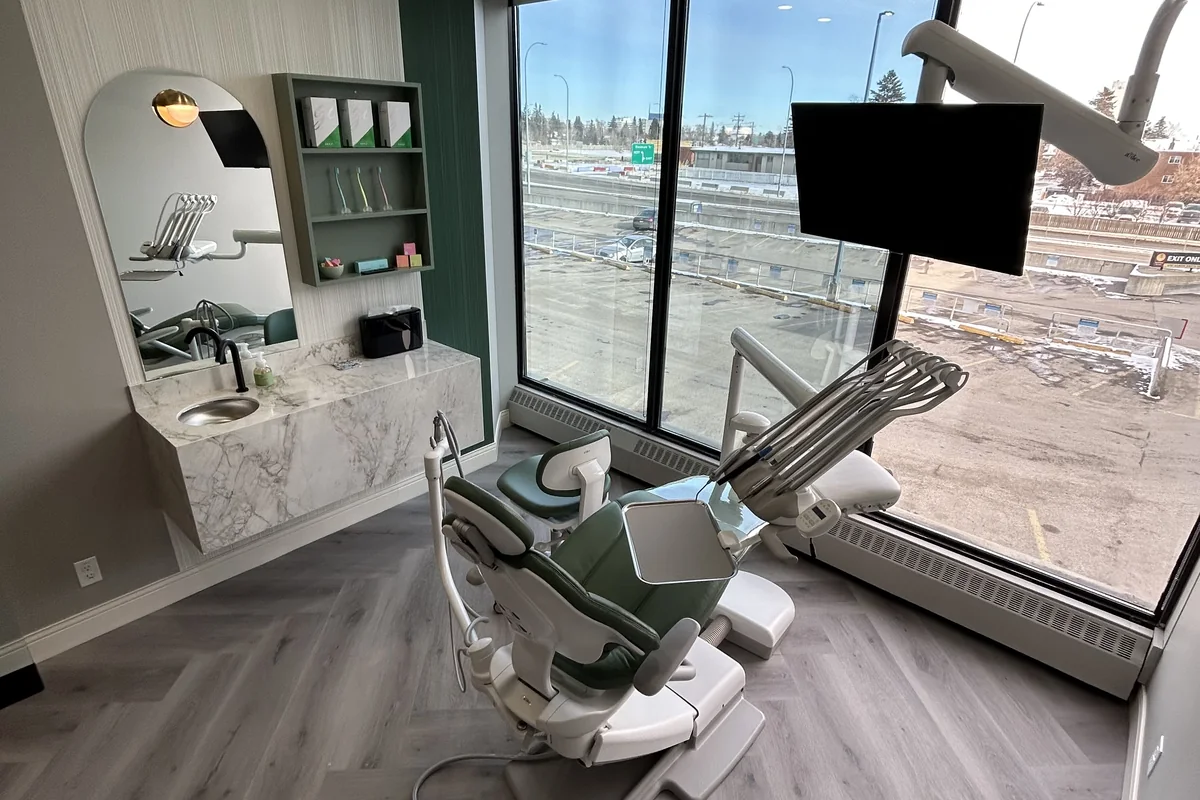
A calm, bright room and an unhurried conversation are where a preventive plan begins.
In this guide
- Prevention is a plan, not a checklist
- What a preventive plan can include
- Why a holistic lens helps
- Prevention and the “big” treatments
- How to start
- Common things a plan is built around
- A plan that changes with life stages
- Home care that fits your life
- How we track progress together
- Making the most of your coverage
- Frequently asked questions
Prevention is a plan, not a checklist
Brushing and flossing matter, and so do regular visits. But a good preventive plan starts with you: your health history, your habits, your risks and your goals. Someone who grinds their teeth at night needs a different plan than someone who is prone to cavities, and both differ from a person managing gum concerns.
We call this co-creating a plan, because the best results come when patients understand the “why” and help make the decisions.
What a preventive plan can include
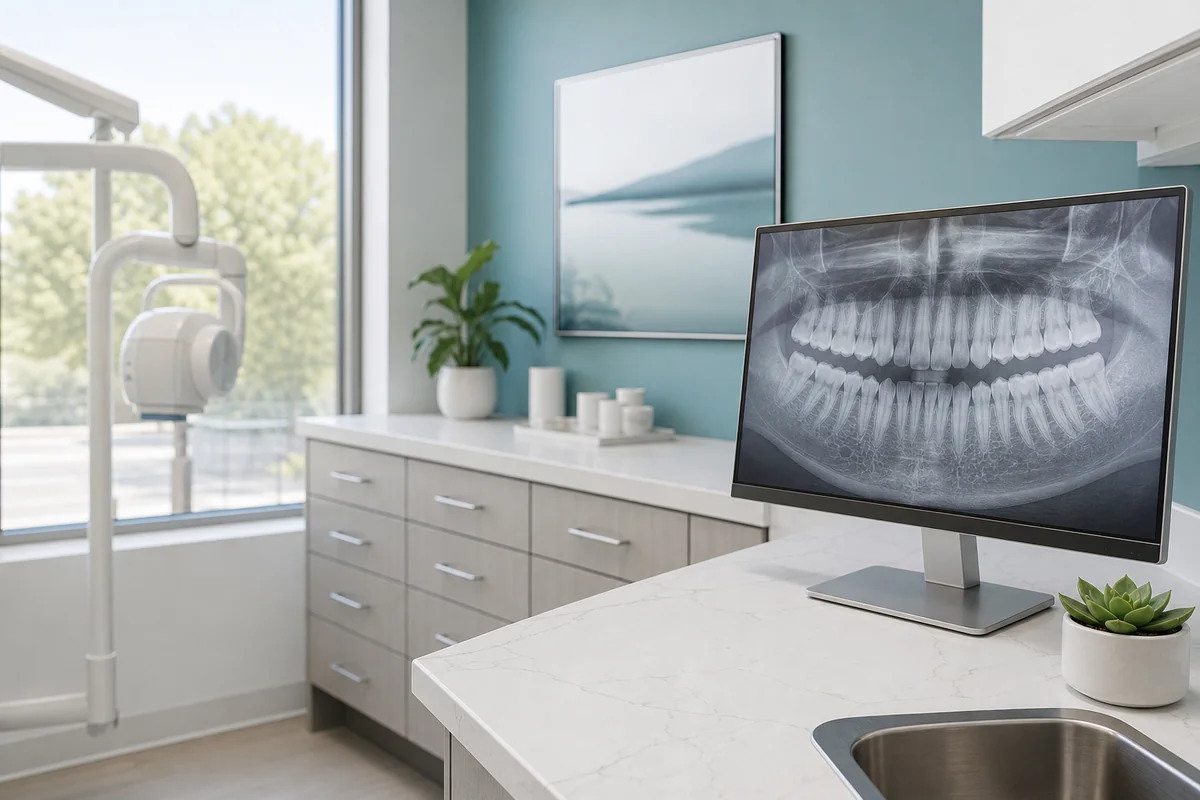
Imaging and scans help us track change over time, so small things stay small.
Why a holistic lens helps
Holistic dentistry does not mean avoiding modern dentistry. It means treating the whole person, not just the tooth in front of us, and choosing materials and methods thoughtfully. If you are curious, our post on what holistic dentistry means goes deeper, and our guide to your first visit to a holistic dental studio shows what to expect.
Prevention and the “big” treatments
Even care like implants, veneers, whitening or Invisalign is part of long-term maintenance when done well. A new tooth or a brighter smile lasts longer when it sits inside a plan that protects the gums, bite and surrounding teeth.
Emergency visits matter too: if you come to us in pain, we will relieve it first, and then we will talk about how to prevent a repeat.
How to start
Start with a conversation
If you are new to us, a free video consultation lets you meet the team, share your concerns and ask questions before booking an in-person visit. From there we map out a plan together, at a pace that suits you.
Common things a plan is built around
Everyone's mouth tells a slightly different story. These are some of the patterns a preventive plan is often shaped around.
A plan that changes with life stages
A preventive plan is never finished. Children need help building habits and watching how the jaws and teeth develop. Teens may be starting orthodontic care. Adults often juggle work, stress and busy schedules. Later in life, medications and gum health may need closer attention.
Because we get to know you over many visits, your plan can change as you do. Our airway-aware orthodontics guide shows how this thinking applies to growing smiles.
Home care that fits your life
The best routine is the one you will actually keep. Your hygienist can show you what works for your mouth, which may include a different brushing technique, interdental cleaning that suits your teeth, or small changes to your evening routine. We would rather give you two simple habits you will keep than ten you will not.
Ask us what you can skip
Not every product on the pharmacy shelf is necessary. If you are unsure about a mouthwash, whitening strip or electric brush, ask. We are happy to say when something is not worth your money.
How we track progress together
A plan only works if you can see it working. We use notes from each visit, digital scans and imaging when they are needed, and clear explanations in plain language, so you can see what has changed since your last visit. If something looks stable, we say so. If something needs attention, we explain why and what the options are.
Making the most of your coverage
Preventive visits are often covered at a higher rate than other care, which makes them a sensible place to start. If you are curious about timing around the end of the year, our post on using your dental benefits before year-end explains what to check.
Frequently asked questions
How often should I see a dentist?
It varies from person to person. Many people do well with a checkup and cleaning every six months, while others benefit from a different interval. Your dentist can recommend a schedule based on your risk.
Is preventive care really worth it?
Catching changes early usually means simpler, smaller treatment. That is better for your teeth and often for your budget.
Can children and older adults follow a preventive plan?
Yes. The plan is tailored to each stage of life.
What happens at a preventive visit?
Your dentist or hygienist reviews your health history, examines your teeth, gums, bite and soft tissues, and talks with you about anything you have noticed. Cleaning, imaging and home-care coaching are added as they are needed.
Can a preventive plan help if I already have fillings or crowns?
Yes. Existing dental work is watched over time, and a plan helps protect the teeth around it and catch changes early.
Do I need a holistic dentist for preventive care?
Any good dental team can offer preventive care. At TOOTHbar we add a whole-person view, including breathing, bite, nutrition and materials, to how we build the plan.
Start your plan. Keep your teeth for life. 🙂
Book a preventive visit at TOOTHbar, or begin with a free video consultation from home. You will meet a team that takes time, explains the why, and builds the plan with you.
TOOTHbar is a family-owned, holistic dental studio led by Dr. Murray Knebel, DDS, at Suite #217, 6707 Elbow Drive SW, Calgary, AB T2V 0E4. Call us at 403-246-1002.
General information only; not a substitute for a dental exam.