Nervous About the Dentist? Comfort-First and Sedation Options in Calgary
Maybe you feel a little tense before a dental appointment. Maybe you have been putting one off for months. Or maybe a difficult experience years ago made the idea of sitting in a dental chair something you would rather avoid altogether.
Dental anxiety can look very different from one person to another, which is why there is not one universal solution.
At TOOTHbar in southwest Calgary, comfort is approached from several directions: clear communication, a calmer environment, modern technology, comfort options and sedation when it is appropriate for the patient and treatment.
You do not need to pretend you are relaxed. Telling the team what makes dental visits difficult gives them useful information for planning a better appointment.
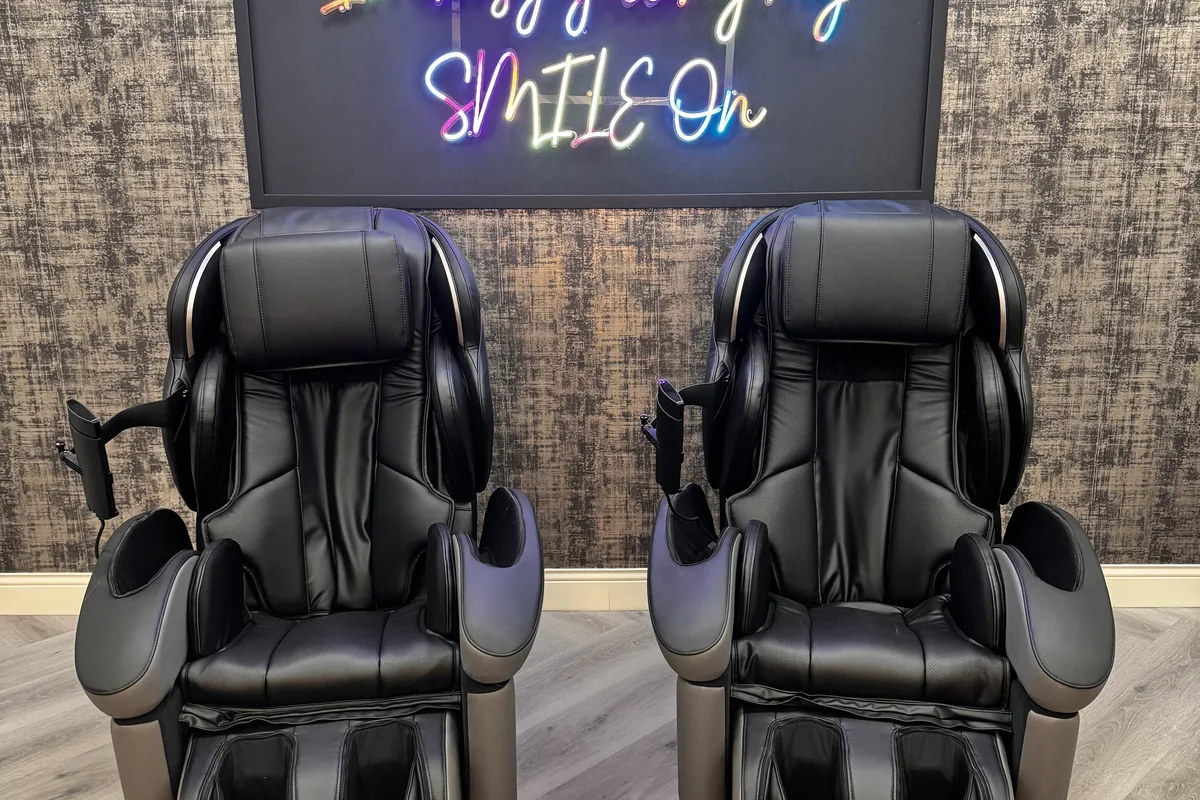
TOOTHbar was intentionally designed to feel different from the traditional clinical environment many nervous patients remember.
In this guide
- What dental anxiety can look like
- Why telling your dentist matters
- What comfort-first dentistry actually means
- What is sedation dentistry?
- How sedation is chosen
- What to ask before sedation
- How modern technology can reduce common triggers
- What if you have avoided the dentist for years?
- How to make your first visit easier
- Start from home with a virtual consultation
- The TOOTHbar comfort experience
- Frequently asked questions
What Does Dental Anxiety Look Like?
Dental anxiety is not limited to someone who is visibly frightened in the waiting room.
You might feel tense for several days before an appointment, worry about losing control in the chair, dislike certain sounds or sensations, have a strong gag reflex, or repeatedly postpone visits even though you know something needs attention.
Some people find themselves thinking about the visit long before the appointment date arrives.
Sounds, tastes, injections, lying back, gagging or not knowing what will happen next may be difficult.
Anxiety can increase when you do not understand the plan or feel unable to ask the clinician to stop.
Avoidance can become a pattern even when the original reason was one difficult experience years earlier.
Tell Your Dentist You Are Nervous
This may be the most useful thing you do before the appointment.
Your dentist cannot know which parts of treatment are difficult for you unless you explain them. The Canadian Dental Association encourages patients to talk openly about treatment concerns and fears so the dental team can address questions and discuss the treatment plan.
The Canadian Dental Association recommends discussing treatment concerns directly with your dentist and viewing the dentist-patient relationship as a partnership in oral health care.
You can be specific. "I am nervous" is useful. "I am fine until I hear the drill," "I have a strong gag reflex," or "I need you to explain things before you do them" gives the team even more information.
What Does Comfort-First Dentistry Actually Mean?
Sedation can be useful, but it should not be the only tool a dental practice has for someone who feels anxious.
A comfort-first approach starts before medication is even discussed.
You do not have to earn comfort
You do not need to have a diagnosed dental phobia before mentioning that an appointment makes you uncomfortable. Small accommodations can matter even when your anxiety is relatively mild.
What Is Sedation Dentistry?
Sedation dentistry refers to the use of medication or sedation techniques to help manage anxiety and support dental treatment in appropriate patients.
Sedation is not one single procedure. Dentistry can involve different levels and methods of sedation, and the appropriate choice depends on the person, health history, medication history, level of anxiety and treatment being performed.
The conversation comes first
TOOTHbar's current website confirms that sedation options are available for anxious patients and for some longer treatments.
The exact approach should be selected only after the clinical team reviews whether sedation is appropriate for you.
Because TOOTHbar's current public website does not clearly list every sedation method offered, it is better to ask the team which options are currently available rather than assuming a particular form of sedation is offered.
How Does a Dentist Decide Whether Sedation Is Appropriate?
Sedation is a clinical decision, not simply a comfort upgrade selected from a menu.
Your dentist needs to understand your medical history, current medications, allergies, previous reactions to sedation or anaesthesia, and the dental treatment being planned.
The Canadian Dental Association specifically advises patients to tell their dentist about current medications and alcohol use when sedation is being considered. The benefits and risks of pain-management and sedation options need to be considered in the context of your health information.
Talk about your anxiety
Explain which parts of dental care are difficult and how strongly anxiety is affecting your ability to receive treatment.
Review your health history
Medical conditions, medications, supplements, allergies and previous experiences with sedation or anaesthesia can all be relevant.
Consider the procedure
The length and type of dental treatment can influence whether sedation is useful and which level of support may be appropriate.
Discuss benefits, risks and instructions
If sedation is recommended, you should understand what to expect before, during and after the appointment.
The Canadian Dental Association's pain-management guidance recommends discussing sedation concerns and reviewing health information before a dental procedure.
Questions to Ask Before Dental Sedation
If sedation becomes part of your treatment plan, you should leave the conversation knowing more than simply that you will "be relaxed."
Follow the instructions for your specific sedation plan
Driving, eating, drinking, medication and escort requirements can differ depending on the sedation method being used. Follow the instructions given by the treating dental team rather than applying generic internet advice to your appointment.
Comfort Is Not Only About Sedation
Some of the things patients dislike about dental care are not actually the dentistry itself. They are the surrounding sensations: impression trays, prolonged scraping, uncertainty about what is happening, or an environment that feels overly clinical.
Modern technology can reduce some of those triggers.
AIRFLOW can remove indicated soft biofilm and stain with an air-powder-water spray before targeted scaling is used where clinically necessary.
Many orthodontic and restorative records can be captured with an intraoral scanner instead of a tray of impression material.
Seeing scans and images on screen can make the explanation easier to follow and give you something concrete to ask questions about.
Digital records can support careful planning so the team understands the clinical situation before beginning treatment.
Technology does not eliminate every uncomfortable sensation, but choosing tools deliberately can make the overall experience easier to manage.
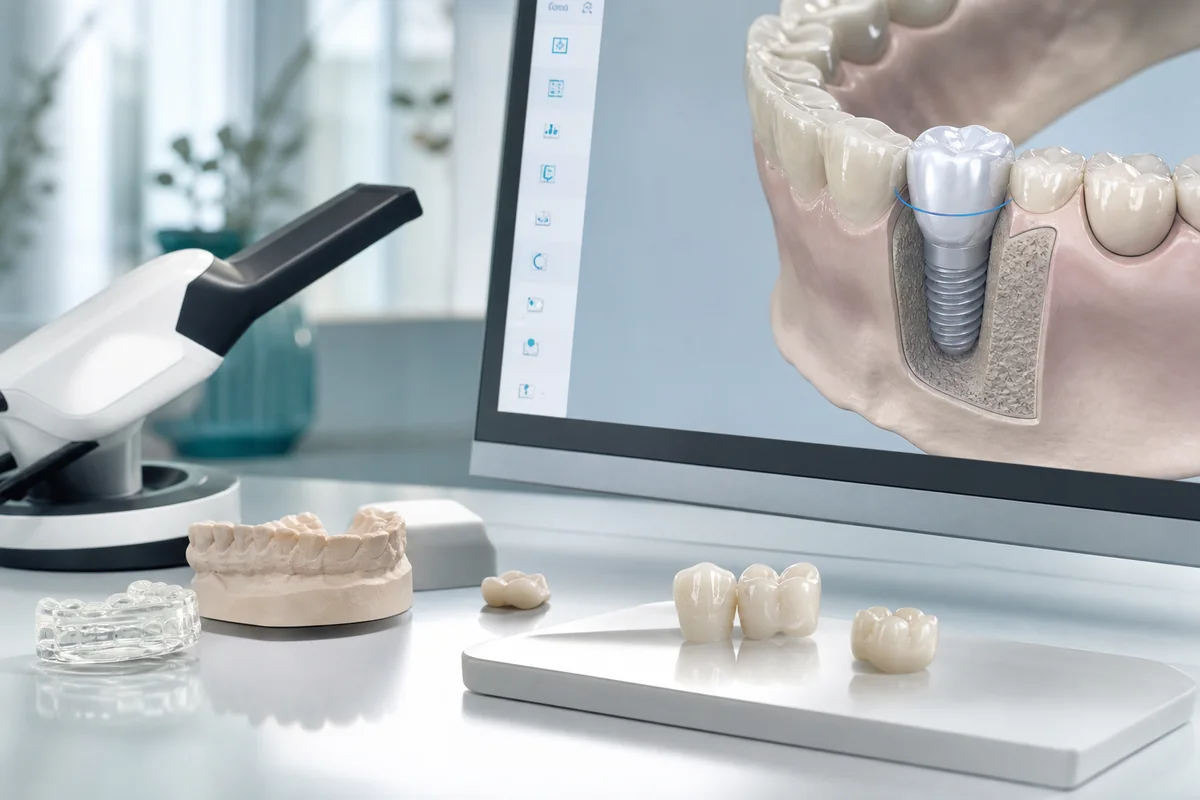
Modern dental technology can help reduce several common triggers while also making treatment discussions easier to understand.
What If Dental Anxiety Has Kept You Away for Years?
Start with where things are today.
A long gap does not automatically tell the dental team what treatment you need. The first step is an examination and enough diagnostic information to understand your current oral health.
Some people come back after several years and need relatively straightforward preventive or restorative care. Others have several things to work through. Either way, the plan should be based on what is actually found rather than assumptions about how long you have been away.
No lecture is part of the TOOTHbar approach
The useful question is not, "Why didn't you come sooner?" It is, "What do we need to address now, and how can we make the process manageable?"
7 Ways to Make an Anxious Dental Visit Easier
Tell the office before you arrive
Mention your anxiety while booking so it does not become a surprise after you are already in the chair.
Explain your specific triggers
Needles, sounds, gagging, lying back, previous pain or simply not knowing what is next may require different approaches.
Ask for the plan first
Knowing what will happen today and what can wait for another visit can make the appointment feel more manageable.
Agree on a pause signal
A simple hand signal can give you a clear way to ask the team to stop when you need a moment.
Ask about comfort options
Find out what the studio can provide and what may make your particular appointment easier.
Discuss sedation if anxiety is a significant barrier
The dentist can review whether sedation is appropriate and explain the options currently available.
Start with conversation if that feels easier
You do not necessarily have to make your first interaction with TOOTHbar a full treatment appointment.
Your First Conversation Can Happen From Home
For someone who has been avoiding dental care, even walking through the clinic door can feel like a big first step.
TOOTHbar offers a free virtual dental consultation, which gives you a chance to ask questions and talk through your concerns before deciding on the next step.
A virtual conversation cannot replace the examination or diagnostic records needed to diagnose dental conditions, but it can help you understand what an in-person visit may involve.
A virtual consult can be useful if you want to ask:
What If Anxiety and a Dental Emergency Happen at the Same Time?
Dental anxiety does not disappear just because a tooth suddenly hurts or breaks.
If you have significant swelling, trauma, a severe toothache or another urgent dental problem, tell the team both what is happening physically and that you are anxious about treatment.
TOOTHbar provides emergency dentistry in Calgary and has a dedicated page for same-day emergency appointments.
The immediate priority is to assess the problem and determine what care is appropriate. Comfort and anxiety management can be part of that conversation.
What Makes the TOOTHbar Experience Different?
The clinical side matters, but environment matters too, especially when your brain already associates dental offices with stress.
TOOTHbar's southwest Calgary studio was deliberately designed to feel less like a conventional clinic. The live site highlights the oxygen bar, mocktails, weighted blankets and a pace that leaves room for questions.
Those details do not replace proper diagnosis, anaesthesia or sedation when those are needed. They simply make comfort part of the experience instead of treating it as an afterthought.
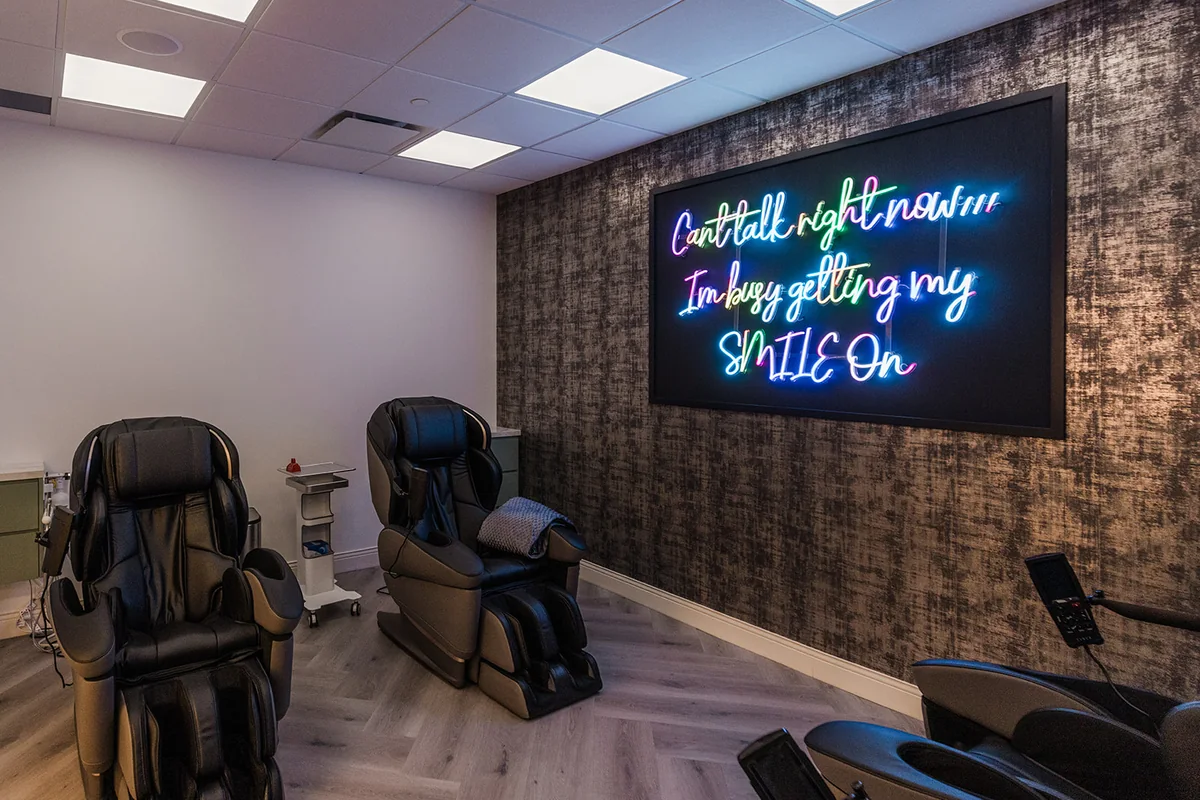
Comfort can be layered
For one patient, clear explanations and a calmer room may be enough. Another may benefit from a weighted blanket, pauses during treatment or discussing sedation. The point is to understand the person in the chair rather than assuming everyone needs the same thing.
This comfort-first philosophy is also part of TOOTHbar's broader holistic, whole-body dentistry approach.
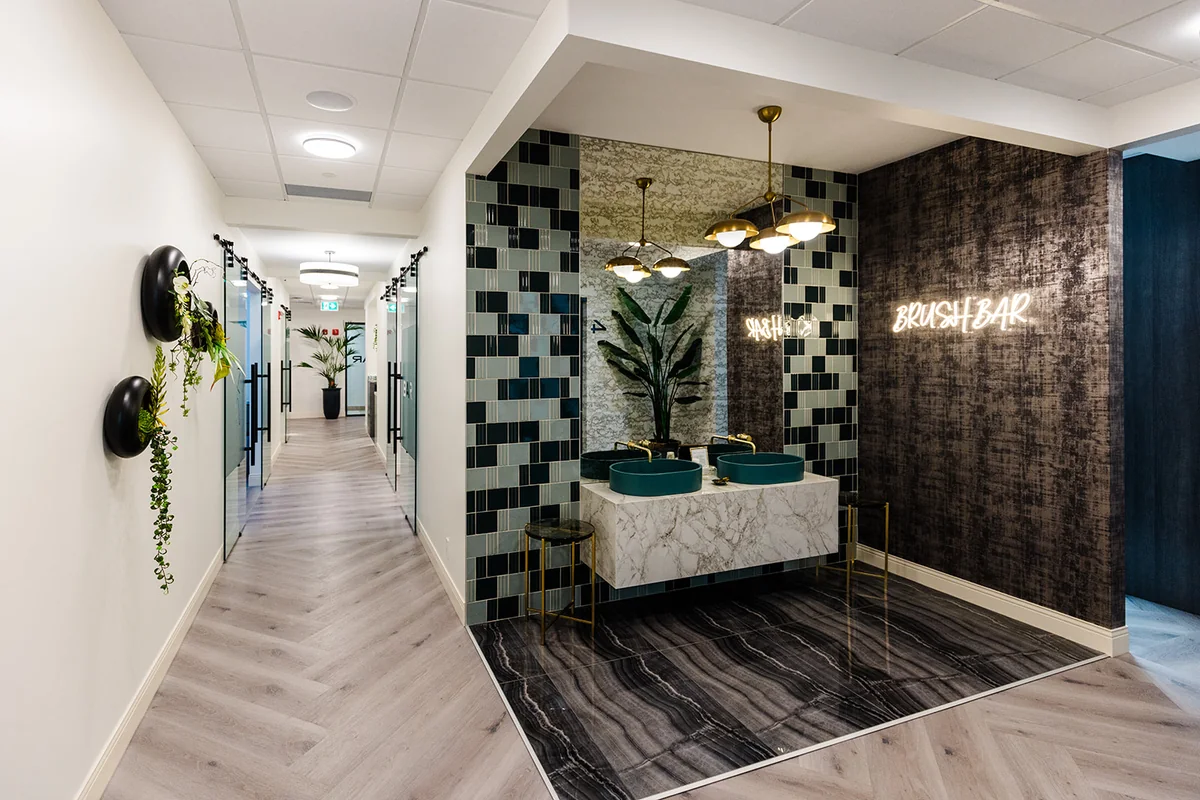
TOOTHbar is a family-owned dental studio in the Elbow Drive medical complex in southwest Calgary.
Frequently Asked Questions About Dental Anxiety and Sedation Dentistry
Does TOOTHbar offer sedation dentistry?
TOOTHbar's current website confirms that sedation options are available for anxious patients and for some longer treatments. The appropriate approach depends on your health history, treatment and individual needs. Ask the team which sedation methods are currently available for your situation.
What type of dental sedation does TOOTHbar offer?
TOOTHbar's public website currently refers to sedation options but does not clearly list every specific sedation method. The safest approach is to ask the team directly so they can explain the options currently offered and whether any of them are appropriate for you.
Is sedation dentistry safe?
Sedation has potential benefits and risks, which vary according to the method used and the individual patient. Your health history, medications, treatment and other relevant factors need to be reviewed before sedation is recommended. Follow the preparation and aftercare instructions given for your specific plan.
Do I need sedation just because I am nervous?
Not necessarily. Some people feel comfortable with clear communication, a calmer environment, local anaesthesia, comfort measures and planned pauses. For others, anxiety remains a significant barrier and sedation may be worth discussing with the dentist.
I have avoided the dentist for years. Will I be judged?
TOOTHbar's approach is to assess where your oral health is today and explain the next steps without using shame or fear-based messaging. Tell the team that anxiety has kept you away so they can take that into account when planning your visit.
Can I meet the team before booking a full dental appointment?
Yes. TOOTHbar offers a free virtual dental consultation that can be used to ask questions and discuss concerns before an in-person examination. A virtual consult cannot replace the clinical examination required for diagnosis.
Does sedation mean I will be completely asleep?
Not necessarily. Sedation can involve different levels and techniques, and not all dental sedation means general anaesthesia or being completely unconscious. Ask the treating dentist exactly what level of sedation is being recommended and what you should expect.
Will I need someone to drive me home after dental sedation?
That depends on the sedation method being used. Some forms of sedation can affect driving and require an escort, while requirements differ with other approaches. Follow the instructions provided for your specific sedation appointment rather than assuming the same rules apply to every type.
You can start with a conversation.
If dental anxiety has been getting in the way, you do not have to arrive pretending everything is fine. Tell the team what makes visits difficult, ask about the comfort and sedation options currently available, and decide on the next step after you understand what your mouth actually needs.
TOOTHbar is a family-owned dental studio led by Dr. Murray Knebel in southwest Calgary. Book an appointment online, start with a free video consultation from home, or call the studio at 403-246-1002.