Dental Care in 16 Languages: Finding a Multilingual Dentist in Calgary
Calgary is one of the most linguistically diverse cities in Canada. Walk through any neighbourhood and you will hear Tagalog, Punjabi, Mandarin, Arabic, Spanish, and dozens more alongside English. Yet for many newcomers, one everyday experience remains stubbornly monolingual: the dentist's office.
Think about what a dental visit asks of you. You describe symptoms, understand a diagnosis, weigh treatment options, give informed consent, and follow aftercare instructions. Every one of those steps depends on language. When you cannot discuss your health in the language you think in, something essential is lost, and what is lost is not convenience. It is trust, understanding, and ultimately, health outcomes.
At TOOTHbar, the team speaks sixteen languages. This post is about why that matters far beyond convenience, and why your family dentist should speak your language.
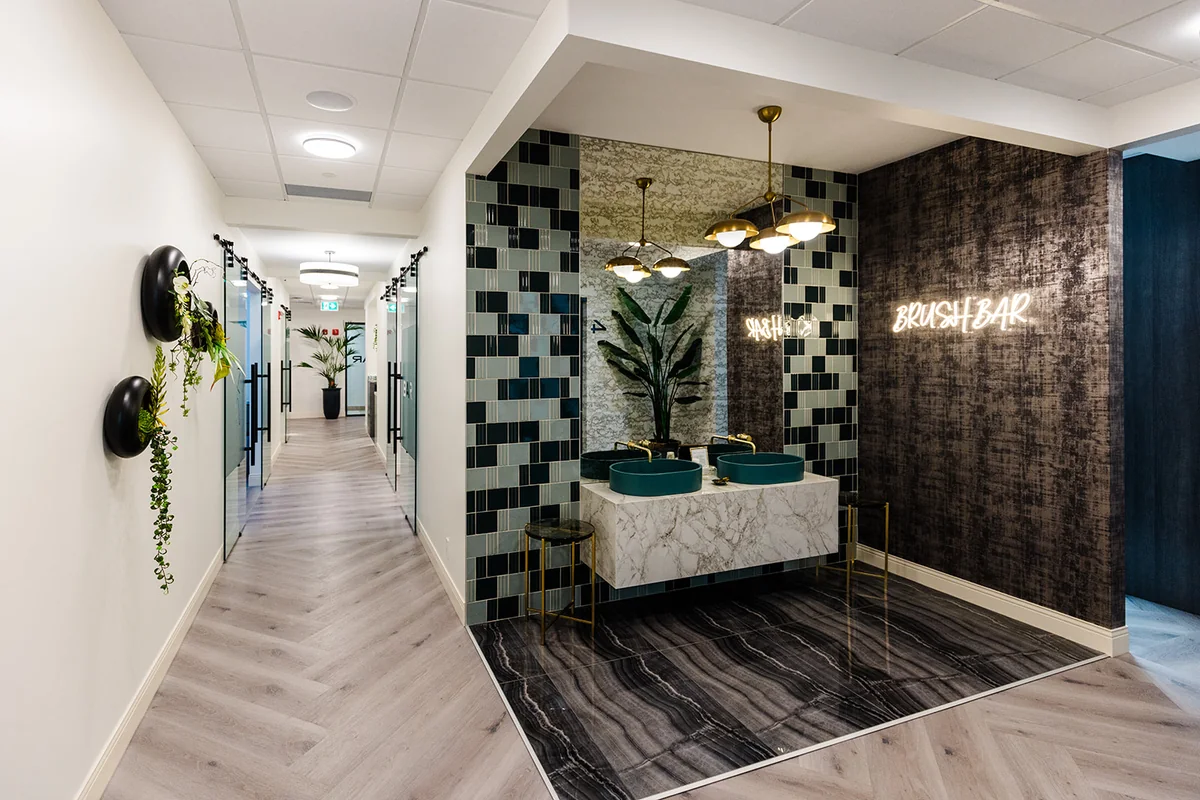
TOOTHbar's Calgary studio, where sixteen languages are spoken across the team.
The real problem with language barriers in healthcare
The research on this is consistent and sobering. Patients facing language barriers in healthcare settings experience more misunderstandings about their condition, lower adherence to treatment plans, and less satisfaction with their care. In dentistry specifically, the consequences are concrete.
A patient who nods along to a treatment plan they only half understood is less likely to follow through. Aftercare instructions misheard become complications. A concern that feels too difficult to express in a second language goes unmentioned, and the dentist never learns about the sensitivity, the worry, or the symptom that would have changed the plan.
None of this reflects anyone's intelligence or effort. It reflects the reality that health decisions are high-stakes communication, and high-stakes communication belongs in your strongest language.
The language barrier does not just degrade the visit. It keeps people from booking the visit at all.
There is also the quieter cost: avoidance. When every dental visit means bracing for a language struggle, it is human nature to postpone. Postponement is how small issues become large ones.
Sixteen languages as the foundation of long-term trust
Not a service feature
Here is the reframe that matters for this program: language access is not a customer service feature. It is the foundation of the long-term preventive relationship that holistic dentistry is built on.
Consider what a preventive partnership actually requires. You need to understand your dentist's explanations well enough to make informed decisions. You need to be able to describe what you are feeling, including the vague or embarrassing things. You need to trust that nothing is being lost in translation when you consent to treatment. And you need all of this not once, but across years of visits, for yourself and for your family.
Newcomers choosing a dentist they can actually talk to are choosing a health home for their family for years. That is the decision TOOTHbar's sixteen languages make possible.
A grandmother who can discuss her denture options in her first language.
Parents who can ask detailed questions about their child's airway screening without reaching for words.
A teenager who can explain their own symptoms directly instead of through a parent translator.
The family that can communicate fully becomes the family that keeps its appointments, follows its preventive plan, and stays with the practice for years.
Trust compounds. The family that can communicate fully becomes the family that keeps its appointments, follows its preventive plan, and stays with the practice for years. Language access is the first domino.
How clear communication improves preventive outcomes
The connection between understanding and prevention is direct and practical.
Treatment plans get followed
When you genuinely understand why a night guard was recommended, or what the phased plan for your gum health involves, you follow it. Compliance is not a character trait. It is a function of comprehension.
Early signals get reported
The patient who can easily describe a new sensitivity, a clicking jaw, or a worry about their child's breathing gives the dentist information that changes care. The patient who cannot quite find the words often says nothing, and the signal is lost.
Informed consent is real
Consent given without full understanding is a formality. Consent given in your own language, after a genuine conversation, is what it is supposed to be: your decision, made with clarity.
Children learn the pattern
Kids who watch their parents communicate comfortably with the dental team learn that the dentist is a safe, understandable place. That early pattern shapes a lifetime of dental attitudes. For newcomer families, this may be the most valuable outcome of all.
What multilingual care looks like at TOOTHbar
How it works, practically
When you book, mention your preferred language, and the team will ensure the right team member is part of your visit. Explanations, treatment discussions, and aftercare instructions happen in the language you are most comfortable with. Written materials and follow-up communication respect the same preference.
This extends across the whole experience. The free virtual consultation, often the first step for anxious or newcomer patients, can happen in your language too, which means the relationship starts with full understanding from the very first conversation.
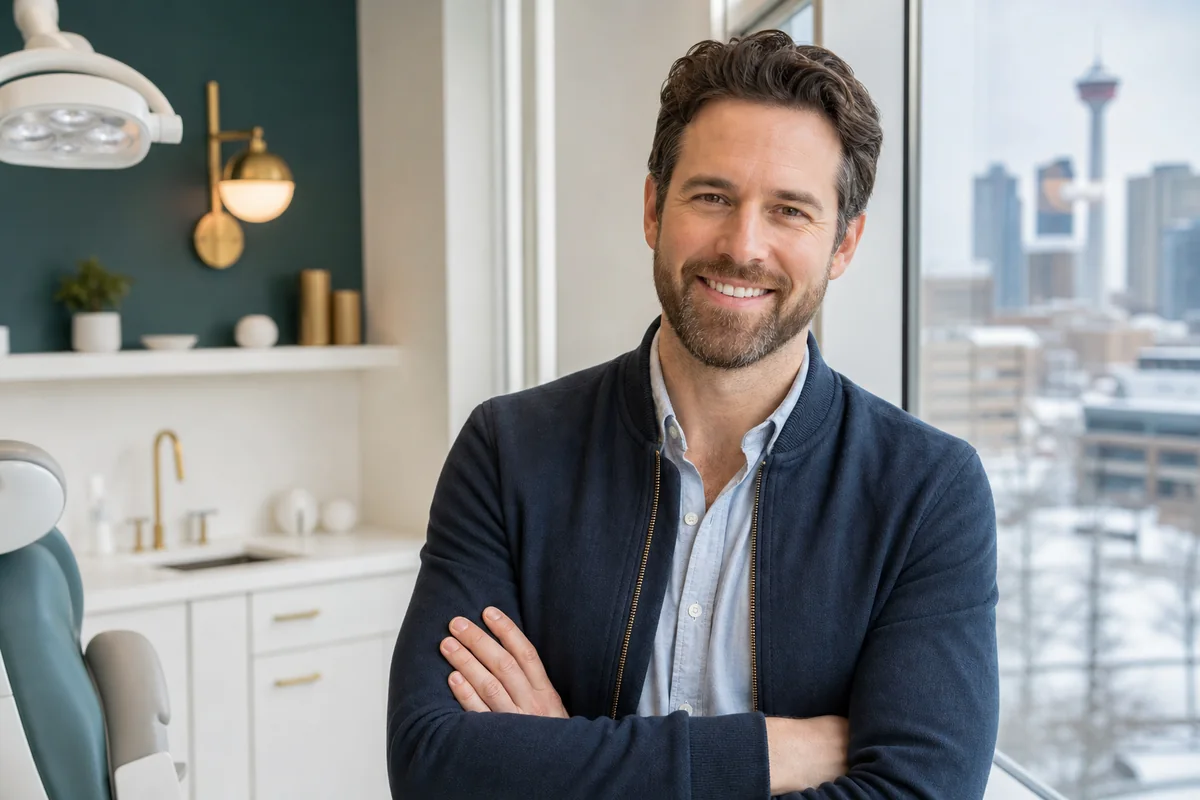
Being fully understood turns the dental visit into a conversation you can trust.
And because TOOTHbar is a holistic, prevention-focused studio, the multilingual capability amplifies everything else: the unhurried explanations, the co-created plans, the airway screening conversations with parents, the nutrition guidance. All of it lands better in your own language. The philosophy and the languages reinforce each other.
For Calgary's newcomer communities
If you are new to Calgary, choosing a dentist is one of those small decisions that quietly shapes your family's health for years. Here is a practical way to think about it.
Parents who can ask detailed questions in their own language make better health decisions for their families.
Calgary's newcomer communities are not passing through. They are neighbours, building lives here across generations. A dental studio that speaks their languages is saying, in the most practical way possible, that they belong here, and that their family's health matters here.
Related reading
What to Expect at Your First Visit to a Holistic Dental Studio
Frequently asked questions
Which languages does TOOTHbar's team speak?
The team collectively speaks sixteen languages. When you book, mention your preferred language and the team will confirm availability and match you with the right team member for your visit.
Is the dentist themselves multilingual, or just the staff?
Language capability spans the clinical team, which is what matters for treatment discussions. The important conversations, diagnosis, options, consent, happen with clinical team members who speak your language.
Can I bring a family member to translate instead?
You can, but there are real drawbacks. Family translators, especially children, may soften or skip difficult information. They are not trained in clinical terminology. And some patients hold back concerns they do not want family to hear. Direct communication with your dental team is always better when it is available.
Does multilingual care cost extra?
No. It is part of the standard TOOTHbar experience, not an add-on service.
I speak English fine but my parents do not. Can they be seen in their language?
Absolutely. This is one of the most common situations, and it is exactly what the multilingual team is for. Your parents get the full, unhurried conversation in their language, and you get the peace of mind that nothing was lost in translation.
Come for the understanding.
Your family dentist should speak your language, because your health decisions deserve your strongest words. If you are looking for a dental home in Calgary where the conversation happens in the language you think in, book a visit at TOOTHbar, or start with a free virtual consultation in your preferred language. Come for the understanding. Stay for the preventive partnership that keeps your family's teeth for life.
TOOTHbar is a family-owned dental studio led by Dr. Murray Knebel in southwest Calgary. Book an appointment online, start with a free video consultation from home, or call the studio at 403-246-1002.