Invisalign vs Braces in Calgary: Which Is Right for You?
Choosing between Invisalign and braces is one of the first questions people ask when they start thinking about straightening their teeth. Both can move teeth and improve the way a bite fits together, but the experience of getting there can be very different.
The right choice depends on more than which option looks better. Your bite, the movements your teeth need, your age, your daily routine and how comfortable you are managing a removable appliance all matter.
At TOOTHbar in southwest Calgary, Dr. Murray Knebel takes an airway-aware, whole-person approach to orthodontic planning. Instead of automatically recommending the same appliance for everyone, the goal is to understand what your teeth and bite actually need, explain the trade-offs clearly, and co-create a plan that fits your life.

Invisalign and braces can both be effective orthodontic tools. The better choice depends on the individual treatment plan.
In this guide
- The quick answer
- 7 real differences between Invisalign and braces
- 1. Appearance and visibility
- 2. Comfort and everyday life
- 3. Eating, brushing and flossing
- 4. Removable vs fixed treatment
- 5. Treatment complexity
- 6. Treatment time
- 7. Cost and insurance
- TOOTHbar's airway-aware approach
- How to choose
- Frequently asked questions
The Quick Answer on Invisalign vs Braces
Invisalign uses a series of clear, removable aligners that apply controlled pressure to gradually move teeth. Braces use brackets attached to the teeth and an archwire to guide tooth movement.
Neither option is automatically better. Clear aligners can treat many orthodontic concerns, but they are not ideal for every type of tooth movement or bite problem. Fixed braces remain a highly versatile treatment because the appliance stays attached to the teeth throughout treatment.
Clear aligners are removable and much less noticeable during day-to-day life.
Braces stay on your teeth, so there is no daily decision about whether you remembered to put them back in.
Some orthodontic problems are well suited to aligners. Others can be more predictably managed with fixed appliances or another approach.
A consultation gives you much more useful information than choosing based on appearance alone.
You can learn more about the systems currently offered through orthodontics at TOOTHbar.
Invisalign vs Braces: 7 Differences at a Glance
| Consideration | Invisalign Clear Aligners | Fixed Braces |
|---|---|---|
| Visibility | Clear and relatively discreet. | More noticeable, although modern brackets are generally smaller than older designs. |
| Removable? | Yes. Removed for meals and oral hygiene. | No. Brackets remain attached during treatment. |
| Food | Aligners come out while eating, so there are fewer appliance-related food restrictions. | Hard, sticky and very crunchy foods may need to be limited to protect brackets and wires. |
| Cleaning | Remove aligners to brush and floss normally, then clean the aligners separately. | Requires careful cleaning around brackets and wires. |
| Daily responsibility | High. Aligners generally need to be worn about 20 to 22 hours each day as directed. | Lower day-to-day compliance burden because the appliance is fixed. |
| Case selection | Can treat many orthodontic concerns, but not every case is best suited to clear aligners. | Highly versatile and suitable for a broad range of orthodontic movements. |
| Treatment time | Depends on the individual case, treatment plan and consistent aligner wear. | Depends on the individual case, treatment plan and tooth movement required. |
For independent information about orthodontic appliances and treatment options, see the Canadian Association of Orthodontists' information on braces and clear aligners .
1. Appearance and Visibility
This is usually the easiest difference to understand. Invisalign aligners are clear and fit closely over the teeth, which makes them far less noticeable than conventional metal brackets.
For adults who speak with clients, work on camera or simply prefer a lower-profile orthodontic option, that can be a major advantage. Older teens may value the same thing.
Braces are visible, but today's systems are not necessarily the bulky brackets people remember from years ago. TOOTHbar also offers Damon Ultima as one of its fixed orthodontic options.
Appearance should be part of the decision, not the whole decision
A discreet appliance is only useful if it can perform the tooth movements your treatment plan requires. Start with the diagnosis, then compare which of the appropriate options works best with your lifestyle.
2. Comfort and Everyday Life
Orthodontic treatment works by applying force to the teeth, so some pressure or tenderness can occur with either option, particularly after beginning treatment, changing aligners or adjusting a fixed appliance.
Clear aligners have a smooth surface and do not use brackets or archwires. For some people, that means less irritation against the inside of the cheeks and lips.
Braces can take a little time to get used to, especially immediately after placement or an adjustment. Orthodontic wax and a few temporary changes to food choices can make those early days easier.

Removable does add responsibility
The convenience of a removable appliance comes with a trade-off. Aligners only work while you are wearing them, so following your prescribed wear schedule matters.
3. Eating, Brushing and Flossing
This is one of the biggest lifestyle differences between Invisalign and braces.
Invisalign aligners are removed for meals. That means you can generally continue eating the foods you normally enjoy without worrying about breaking a bracket. You do, however, need a routine for taking the aligners out, storing them safely, cleaning your teeth and putting the aligners back in.
With braces, the appliance stays in place while you eat. Hard, sticky and very crunchy foods can damage brackets or wires, so your dental team may recommend avoiding certain foods during treatment.
Oral hygiene also requires a little more technique with braces because plaque and food can collect around brackets. Clear aligners come out for brushing and flossing, but both your teeth and the aligners need to stay clean.
4. Removable vs Fixed Treatment
Being able to remove your orthodontic appliance sounds like an obvious win, but it depends on the person.
Invisalign generally needs to be worn for approximately 20 to 22 hours each day, according to your provider's instructions. If aligners spend too much time sitting in their case, treatment may not progress as planned.
Braces take that particular responsibility out of your hands. Once the brackets and wires are in place, they remain active without you remembering to put anything back in after lunch.
Ask yourself one honest question
Would you reliably put your aligners back in after every meal, coffee break and social event? If the answer is yes, removable treatment may fit easily into your routine. If that sounds frustrating, a fixed appliance may actually make orthodontic life simpler.
5. Treatment Complexity
Clear aligner technology has come a long way and can now manage many different orthodontic concerns. That does not mean it is the right tool for every tooth movement or every bite.
The Canadian Association of Orthodontists notes that clear aligners are useful for correcting some types of orthodontic problems, but not all. Traditional fixed braces are extremely versatile and can be used to correct a very broad range of orthodontic problems.
That is why an orthodontic comparison should start with an examination rather than a product preference. Your dentist needs to understand where the teeth are now, where they need to move and how your upper and lower teeth fit together.
The Canadian Dental Association has additional patient information explaining how orthodontic treatment and braces work .
6. Does Invisalign or Braces Work Faster?
There is no useful one-size-fits-all answer.
Treatment time depends on the orthodontic problem being corrected, the amount and type of tooth movement required, your individual biology and the treatment mechanics being used.
With Invisalign, consistent wear is another important variable because the aligners need to be in your mouth to apply the planned force. With fixed braces, compliance may still matter for things such as elastics and appointments, but you cannot simply forget to wear the braces themselves.
Rather than choosing an appliance because someone online finished treatment quickly, ask for an estimated timeline based on your own records and treatment plan.
7. Invisalign vs Braces Cost in Calgary
Orthodontic cost depends heavily on the complexity of the case, the appliance being used and how long treatment is expected to take.
That is also why comparing a friend's Invisalign price with your own treatment estimate is not very useful. Two people can choose the same type of appliance and still require very different amounts of treatment.
TOOTHbar provides treatment estimates before you commit, offers direct insurance billing for eligible coverage and has financing options available through Beautifi. Current treatment and financing information can be reviewed on the TOOTHbar orthodontics page.
Check your orthodontic insurance benefit separately
Orthodontic coverage can be different from routine dental coverage and may have a separate lifetime maximum. Check the details of your specific plan rather than assuming that braces or clear aligners are automatically covered.
Airway-Aware Orthodontics: Looking Beyond Straight Teeth
Straight teeth are only one part of orthodontic planning.
TOOTHbar's holistic, whole-body approach means Dr. Knebel can also consider bite function, jaw relationships, breathing patterns and tongue function when they are relevant to the individual case.
This is especially important because orthodontics is not simply about lining up the front teeth for a photograph. Your upper and lower teeth need to function together, and treatment planning should account for the broader structures around them.
An airway-aware assessment does not mean that Invisalign or braces themselves are a treatment for every breathing or sleep concern. If something outside the scope of routine orthodontic treatment needs further investigation, the appropriate next step can be discussed with you.

TOOTHbar's orthodontic planning looks at alignment in the context of your bite, function and overall treatment goals.
So, Should You Choose Invisalign or Braces?
If you want a discreet, removable appliance and are comfortable being consistent about wear, Invisalign may be worth considering.
If you prefer a fixed appliance, do not want to manage removable aligners, or your treatment requires movements that are better suited to fixed orthodontics, braces may make more sense.
And sometimes there is more than one clinically reasonable way to reach the same goal. That is where your own preferences become part of the conversation.
Questions worth asking during your consultation
If straightening is part of a broader cosmetic goal, you can also explore how orthodontics may fit into a smile makeover.
What Happens at a TOOTHbar Orthodontic Consultation?
The purpose of a consultation is not to sell you on Invisalign or braces. It is to understand your teeth, bite and goals well enough to explain which options make sense.
TOOTHbar's current orthodontic process includes assessment, digital records where appropriate, treatment planning and follow-up appointments to monitor progress.
If you would rather ask a few questions before coming into the studio, you can begin with a free virtual dental consultation. Orthodontic and clear-aligner questions are welcome, and the team can let you know if the next step needs to be an in-person assessment.
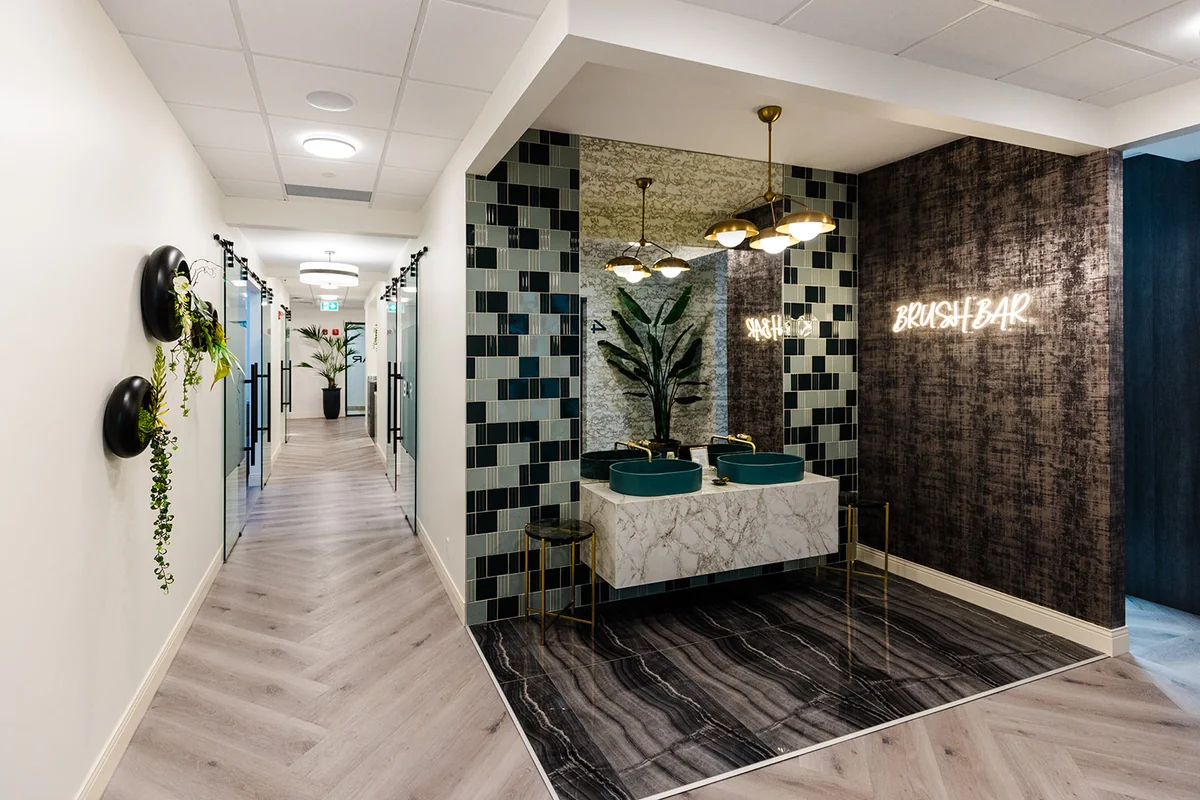
TOOTHbar is a family-owned dental studio on Elbow Drive in southwest Calgary.
Frequently Asked Questions About Invisalign vs Braces
Is Invisalign as effective as braces?
Invisalign can be an effective orthodontic treatment for many people, but clear aligners are not the ideal appliance for every orthodontic problem. Fixed braces are highly versatile. The better option depends on the tooth movements and bite correction required in your individual treatment plan.
Do braces work faster than Invisalign?
Not automatically. Treatment time depends on the complexity of the case, the movements required and the treatment plan. Invisalign treatment also depends on wearing the aligners consistently for the prescribed amount of time each day.
Which is more comfortable, Invisalign or braces?
Clear aligners are smooth and do not use brackets or wires, which some people find easier on their cheeks and lips. Both aligners and braces can cause temporary pressure or tenderness as teeth move, and comfort varies from person to person.
Can I eat normally with Invisalign?
Aligners are removed for meals, so there are fewer appliance-related food restrictions than with fixed braces. You still need to keep your teeth and aligners clean and follow your provider's instructions about when the aligners should be removed.
Can I switch from braces to Invisalign partway through treatment?
Sometimes a treatment approach can be changed, but it requires a new assessment and treatment plan. Changing appliances may also affect treatment time or cost. Discuss the reason for wanting to switch with your treating dentist before making a decision.
Will I need a retainer after Invisalign or braces?
Retention is normally an important part of orthodontic care after either clear aligner or fixed-brace treatment. Your dentist will recommend the type of retainer and wear schedule appropriate for your case.
Still deciding between Invisalign and braces?
You do not need to figure it out from a comparison chart. A proper assessment can show you which orthodontic options actually fit your teeth, bite and lifestyle.
TOOTHbar is a family-owned dental studio led by Dr. Murray Knebel in southwest Calgary. Start with an in-person appointment, book a free video consultation to ask your questions first, or call the team at 1-403-246-1002.