More Than a Check-Up: What a TOOTHbar Dental Visit Really Includes
A dental checkup should give you more than a quick look at your teeth and a reminder to floss. Done well, it gives you a clear picture of what is happening in your mouth, what needs attention now, what can simply be monitored, and what you can do between visits to keep your teeth for life.
At TOOTHbar in southwest Calgary, the emphasis is on understanding before treating. A visit may include an examination, photographs or digital records when appropriate, a conversation about your concerns, hygiene care if that is part of the appointment, and a treatment plan only when something actually needs attention.
Exactly what happens depends on why you booked. A first visit, routine checkup, hygiene appointment and visit for a specific tooth problem are not necessarily the same appointment.
Here is what you can expect and why each part matters.
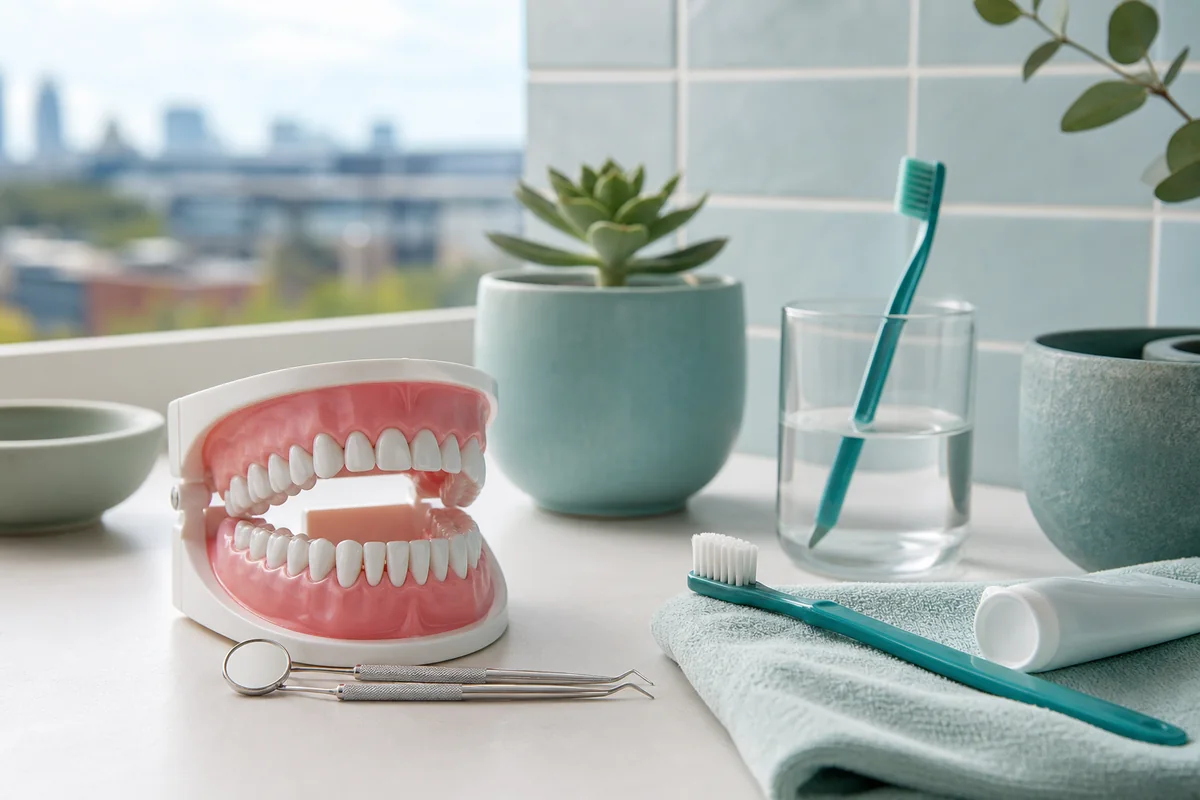
A dental checkup combines examination, conversation and appropriate diagnostic information to build a clear picture of your oral health.
In this guide
- What happens at a dental checkup?
- Not every dental visit is the same
- 1. Start with your health and concerns
- 2. A thorough examination
- 3. Checking your gums and oral tissues
- 4. Bite, wear and function
- 5. X-rays, photos and digital scans when needed
- 6. Professional dental hygiene
- 7. A plain-language treatment plan
- 8. Insurance and cost questions
- How often should you have a checkup?
- What happens at a new-patient visit?
- What if you are overdue?
- What makes a TOOTHbar visit different?
- Frequently asked questions
What Happens at a Dental Checkup?
A dental checkup is an opportunity for the dentist to assess your teeth, gums, mouth and any concerns you have. Depending on your needs and the type of visit, additional records such as photographs, radiographs or digital scans may also be appropriate.
The dentist looks for decay, fractures, wear, damaged restorations and other changes that may require monitoring or treatment.
Gum health, inflammation, bleeding and other periodontal findings may be evaluated according to your needs.
Tooth wear, bite relationships, jaw concerns and other functional findings may become part of the examination.
Sensitivity, appearance, previous dental experiences, dry mouth, grinding or a specific tooth concern can all change what the team needs to investigate.
The Canadian Dental Association describes regular dental appointments as an opportunity to examine the teeth, gums and mouth, discuss oral-health habits, provide necessary care and decide when the next visit should occur.
For independent preventive-care information, see the Canadian Dental Association's guidance on dental examinations and preventive care .
First Things First: Not Every Dental Visit Is the Same
One of the easiest ways to misunderstand a dental checkup is to assume that every appointment includes exactly the same steps.
TOOTHbar's current booking page separates several appointment types because the starting point depends on what you need.
Your visit may start differently
A new patient may begin with an exam, photos, conversation and treatment planning.
Someone already established with the practice may simply be due for routine hygiene or a recall examination.
A patient with tooth pain may need a problem-focused assessment instead.
If you are not sure which appointment to choose, TOOTHbar also offers a free virtual dental consultation so you can ask questions before selecting an in-office visit.
1. Start With Your Health History and What Brought You In
Good dentistry starts by listening before looking.
Your dentist needs to know about changes in your health, medications, allergies and anything you have noticed in your mouth. That context can influence dental findings and treatment decisions.
This is also the time to mention things that may not sound like traditional dental problems.
2. A Thorough Look at Your Teeth
During the clinical examination, your dentist looks at each tooth and the restorations already in place.
The goal is not simply to find cavities. Existing fillings, crowns and other dental work also need to be evaluated over time.
If restorative treatment is needed, TOOTHbar's restorative dentistry services include fillings, crowns, bridges and other options for damaged teeth.
3. Your Gums and the Rest of Your Mouth Matter Too
A dental examination is not only a tooth examination.
Gum health is an important part of maintaining your teeth over time. Depending on your visit and history, the dental team may assess inflammation, bleeding, periodontal measurements and other signs of gum health.
Dentists also examine oral soft tissues. The CDA includes soft- and hard-tissue evaluation and cancer screening among the considerations that can influence continuing-care recommendations.
This is one reason a checkup matters even when nothing hurts
Some oral-health changes do not announce themselves with pain. An examination gives the dental team an opportunity to look for changes you may not have noticed yourself.
4. Bite, Wear and Function
Teeth have to do more than look good. They also need to function together.
Depending on what the dentist sees or what you report, the examination may include attention to how the teeth meet, signs of grinding or clenching, tooth wear and other functional concerns.
If tooth position or bite becomes a larger concern, TOOTHbar also provides orthodontic care using clear aligners and fixed orthodontic options.
5. Digital Scans, Photos and X-Rays When They Are Needed
Modern dental technology can add useful information to an examination, but that does not mean every patient needs every type of image at every visit.
Dental radiographs are used when the dentist needs information that cannot be understood from the clinical examination alone. Their frequency should be based on your oral-health history and current needs rather than simply taken on an automatic schedule.
Digital intraoral scanning serves a different purpose. A scan creates a three-dimensional surface model of your teeth and bite that can be viewed on screen and incorporated into certain restorative or orthodontic workflows.
TOOTHbar's restorative page currently describes the use of technologies including iTero wellness scans, NIRI technology, digital imaging, 3D scans, low-dose X-rays and CBCT when clinically appropriate.
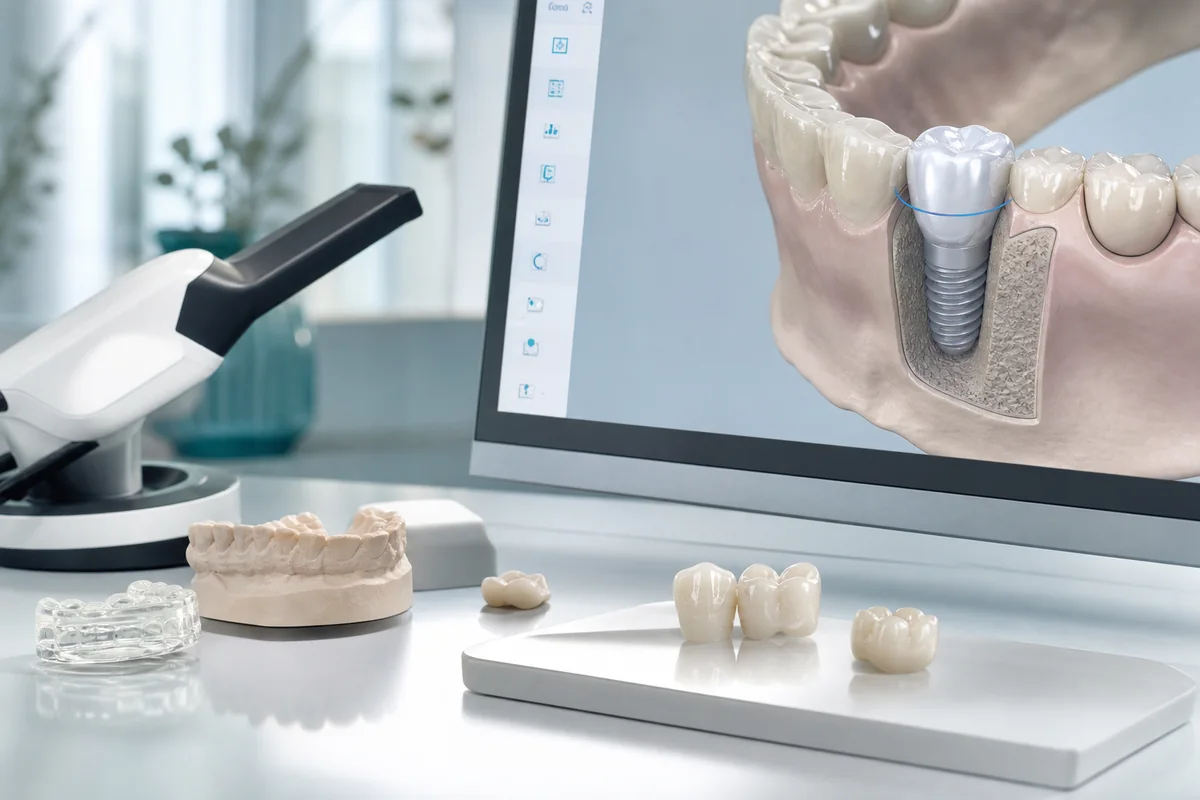
Technology should answer a clinical question
The point is not to take every possible scan. It is to use the appropriate record when it helps the dentist diagnose, monitor or plan your care.
When digital records are available, they can also make it easier for you to see what the dentist is discussing.
6. Where Does the Dental Cleaning Fit In?
A dental checkup and a dental cleaning are related, but they are not exactly the same service.
The examination is the dentist's clinical assessment. Professional hygiene focuses on removing deposits such as plaque, biofilm and calculus and supporting gum health.
Depending on how the appointment is booked, your examination and hygiene care may happen during the same visit or as separate parts of your continuing-care schedule.
TOOTHbar uses EMS AIRFLOW within its hygiene approach. AIRFLOW uses an air-powder-water spray to remove indicated biofilm and surface stain, with additional scaling used when harder calculus needs to be removed.
Cleaning is not simply polishing your teeth
Professional hygiene is part of managing plaque, calculus and gum health. It also gives the hygienist an opportunity to show you areas that may need more attention in your daily routine.
7. If Something Needs Attention, You Should Understand Why
Finding something during an examination does not mean treatment needs to start before you understand what is being recommended.
TOOTHbar's brand philosophy is built around co-creating treatment plans and explaining options in plain language.
See what was found
Images, photographs or digital records can help explain the clinical finding when appropriate.
Understand why it matters
Ask whether something needs treatment now, should simply be monitored, or has more than one reasonable treatment option.
Review the options
Where alternatives exist, discuss their practical differences, benefits, limitations and expected costs.
Decide on the next step
The goal is for you to understand the plan before deciding how you want to proceed.
If appearance is part of the conversation, TOOTHbar's cosmetic dentistry hub explains options such as whitening, bonding, veneers and smile planning.
8. What About Insurance and Cost?
Financial questions should not be an afterthought once a treatment plan has already been scheduled.
TOOTHbar's current booking information confirms that direct insurance billing is available for most major dental insurance providers.
If treatment beyond routine preventive care is recommended, ask for a clear estimate and find out what your specific insurance plan may contribute.
Your insurance plan and your treatment need are two different things
Insurance can help determine how a treatment is paid for, but coverage should not be treated as the clinical reason to perform or postpone a procedure. Start with what your mouth needs, then work through the financial options.
How Often Should You Have a Dental Checkup?
Six months works well for many people, but there is no universal rule that says every patient needs exactly two examinations and two cleanings every year.
The Canadian Dental Association recommends that the interval between examinations and preventive-care visits be based on individual oral-health needs and risk.
Someone who develops cavities frequently may need a different recall strategy than someone with a stable history.
Gum disease, inflammation and calculus buildup can influence how often professional care is recommended.
Crowns, implants, orthodontic appliances and other dental work can influence ongoing care.
Medical status, medications and oral-health changes may alter the interval that makes sense for you.
The Canadian Dental Association explains that dental-exam frequency depends on individual oral-health needs , and X-rays likewise should not simply be taken at every appointment without considering need.
What Happens at a New-Patient Dental Visit at TOOTHbar?
TOOTHbar's current booking page describes the new-patient visit as a starting point built around an exam, photographs, conversation and treatment planning.
That is useful because your dentist has no long-term history with your mouth yet. Establishing a baseline helps the team understand where things are now and what needs to be monitored over time.
You can choose a new-patient visit directly through the TOOTHbar online appointment page.
What If You Have Not Been to the Dentist in Years?
Then your first visit is simply about finding out where things stand now.
You do not need to know what treatment you need before booking. That is what the examination is for.
A longer gap may mean the team needs updated radiographs, periodontal information or other diagnostic records, but those decisions should be based on what is clinically appropriate for you.
No lecture required
Life gets busy. Anxiety, cost, a move, family responsibilities or a difficult previous dental experience can all turn a short delay into several years. The useful question is not why you waited. It is what will help you move forward now.
Dental Care for the Whole Household
TOOTHbar is a family-owned dental studio, and preventive care can look different depending on age and stage of life.
A child's visit may focus heavily on growth, developing teeth and building comfortable dental routines. Adults may need monitoring for restorations, wear, gum health or orthodontic concerns. Older patients may have more complex restorative histories, implants, medications or dry-mouth considerations.
The common thread is that the appointment should be adapted to the person rather than forcing everyone through exactly the same checklist.
Where TOOTHbar's Whole-Person Approach Fits In
TOOTHbar describes itself as a holistic, whole-person dental studio. In a routine examination, that should mean gathering relevant context rather than making broad claims that every dental finding explains something elsewhere in the body.
Health history, medications, lifestyle factors, oral habits, comfort, function and the patient's priorities can all influence dental planning.
If you want to understand more about that philosophy, explore holistic, whole-body dentistry at TOOTHbar.
What Makes a TOOTHbar Dental Visit Feel Different?
The clinical examination still has to do the serious work. The difference is in how the experience around it is designed.
TOOTHbar's current booking page describes the studio as built around clear communication, modern care and a calmer dental experience. The clinic also includes comfort-focused touches such as an oxygen bar, relaxation areas and other amenities designed to make the environment feel less clinical.
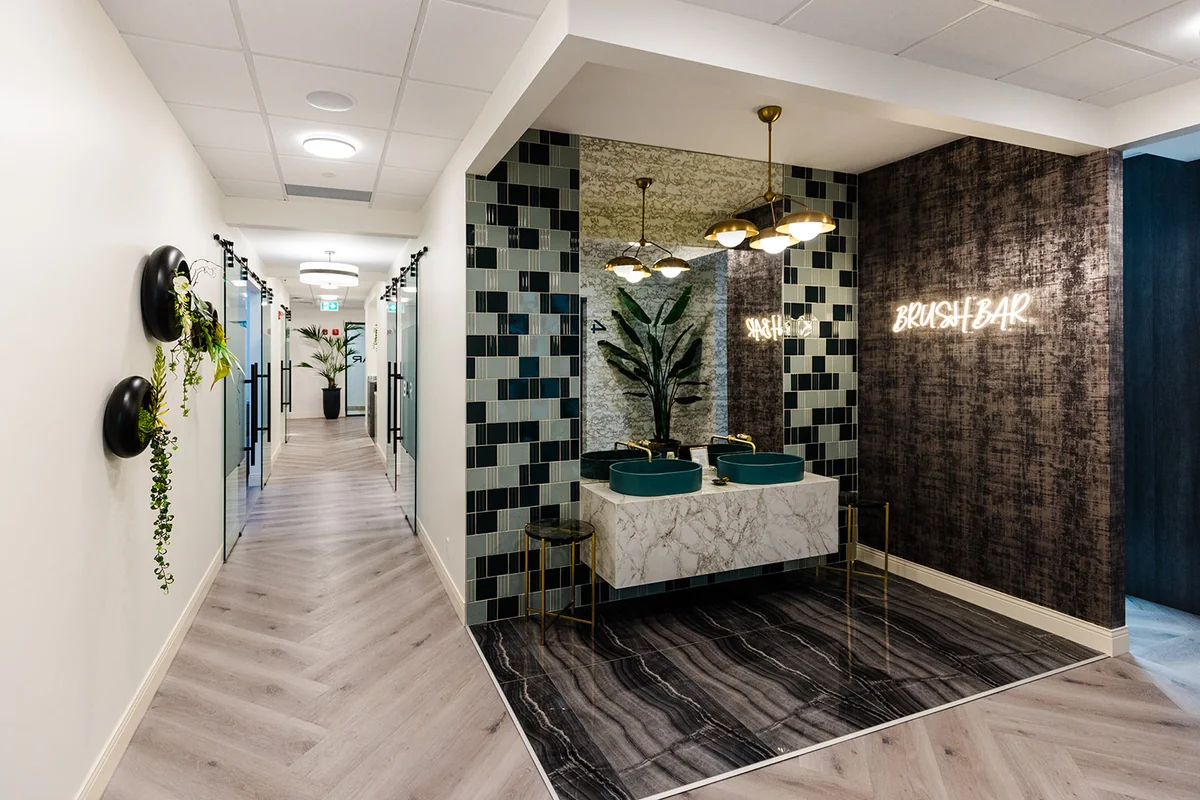
More than a check-up does not mean more treatment
It means taking enough time to understand what is happening, explain what the team sees, use technology when it adds useful information and make sure you leave knowing what the next step actually is.
TOOTHbar is located at Suite #217, 6707 Elbow Drive SW in Calgary, with online booking available for new patients, routine care and specific dental concerns.
Frequently Asked Questions About Dental Checkups in Calgary
What happens at a dental checkup?
A dental checkup generally includes a review of your concerns and relevant health information followed by an examination of your teeth, gums and mouth. Depending on your individual needs, the dentist may also recommend photographs, dental X-rays, digital scans or other diagnostic records. Hygiene treatment may occur at the same visit or as a separate appointment depending on how your care is scheduled.
Is a dental checkup the same thing as a cleaning?
No. A dental checkup is the dentist's clinical examination, while a professional cleaning focuses on removing plaque, biofilm and calculus and supporting gum health. The two services are often scheduled together, but they are not the same procedure.
How often should I have a dental checkup?
There is no single schedule for everyone. Six months is common, but the Canadian Dental Association recommends that examination frequency be based on individual needs and oral-disease risk. Your dentist can recommend an interval based on your own oral health.
Do I need dental X-rays at every checkup?
Not necessarily. Dental X-rays should be taken according to clinical need, oral-health history and what the dentist is monitoring. A patient with stable oral health may need a different imaging schedule from someone with active dental concerns.
What happens at a new-patient visit at TOOTHbar?
TOOTHbar's current booking information describes a new-patient visit as including a clear examination, photographs, conversation and treatment planning so the team can establish a baseline and explain what is happening with your oral health.
I have not been to a dentist in years. Can I still book a routine visit?
Yes. Book a new-patient visit or contact TOOTHbar if you are unsure which appointment type is right for you. The team can assess your current oral health and determine whether you need routine preventive care or something more specific.
Does TOOTHbar offer direct insurance billing?
Yes. TOOTHbar currently offers direct billing for most major dental insurance providers. Bring your current insurance information to your appointment so the team can process eligible claims.
Can I talk to TOOTHbar before booking an in-person appointment?
Yes. TOOTHbar offers a free virtual dental consultation if you want to ask questions before deciding which in-office appointment is appropriate. A virtual conversation does not replace the clinical examination required for diagnosis.
Ready to see what is actually going on with your teeth?
Whether you are right on schedule, looking for a new dentist in Calgary or returning after a long break, a good dental visit starts with understanding. TOOTHbar can assess your oral health, explain what the team sees and help you decide what comes next without turning every finding into a treatment.
TOOTHbar is a family-owned dental studio led by Dr. Murray Knebel in southwest Calgary. Book a new-patient visit or checkup online, start with a free video consultation, or call 403-246-1002.