Mercury-Free and Biocompatible Dentistry: What It Really Means
Biocompatible dentistry in Calgary is a term more patients are searching for, often alongside phrases like holistic or biological dentistry. These words can mean different things to different people, and there is a lot of confusion about what they actually involve.
This guide explains the ideas behind biocompatible dentistry in plain language, focusing on what patients can clearly ask about: mercury-free, tooth-coloured materials, digital diagnostics, and a conservative approach that preserves healthy tooth structure whenever possible.
At TOOTHbar in southwest Calgary, Dr. Murray Knebel uses modern dental materials and techniques that support comfortable, natural-looking care while keeping clinical judgment and evidence-based dentistry at the centre of treatment planning.
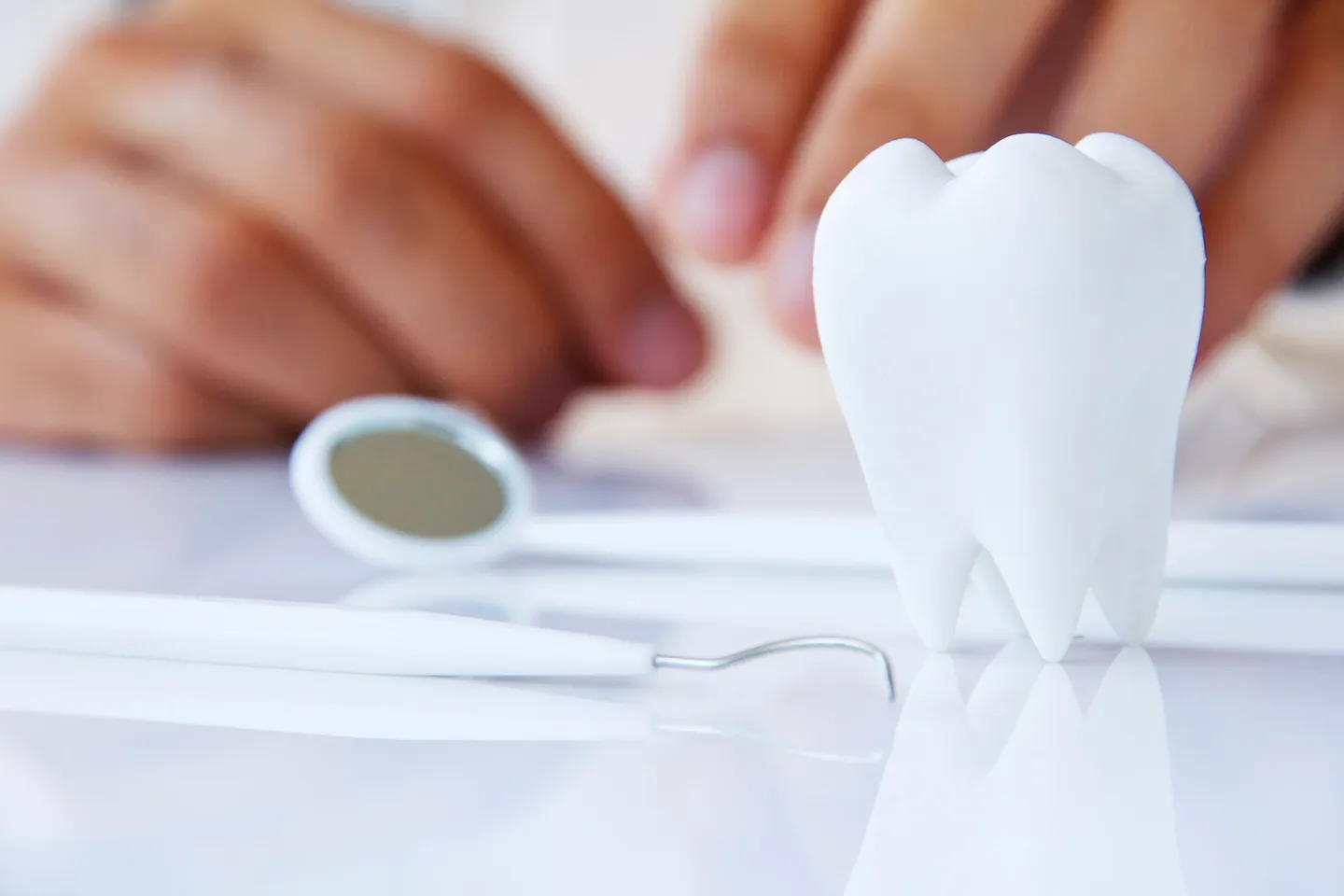
Biocompatible dentistry is best understood by looking at the specific materials, diagnostic tools, and treatment philosophy being used.
What Does Biocompatible Dentistry Mean?
Biocompatible dentistry generally refers to an approach that considers how dental materials interact with the mouth while also aiming to preserve as much natural tooth structure as possible. For many patients, the practical meaning is straightforward: tooth-coloured restorations instead of visible metal, and treatment that removes only what is necessary.
It is important to be clear about terminology. Words like holistic and biological are not formal dental specialties. They describe a care philosophy rather than a defined list of procedures, which is why it helps to focus on the specific materials and methods being used.
Ask specific questions, not just broad labels
Instead of only asking whether a clinic is holistic or biological, ask what materials are used, whether tooth-coloured options are available, how treatment is planned, and how much natural tooth structure can be preserved.
This kind of conversation fits naturally within general dentistry, especially when treatment involves fillings, crowns, preventive care, or replacing older dental work.
Mercury-Free, Tooth-Coloured Fillings
One of the most common features patients associate with biocompatible dentistry is mercury-free dentistry. Modern practices, including TOOTHbar, routinely use tooth-coloured composite resin for fillings rather than traditional metal amalgam.
Composite fillings bond to the tooth, blend in naturally, and can allow the dentist to preserve more healthy tooth structure. For many patients, the appeal is both cosmetic and practical: the restoration looks more natural, and the material is selected to suit the tooth being treated.
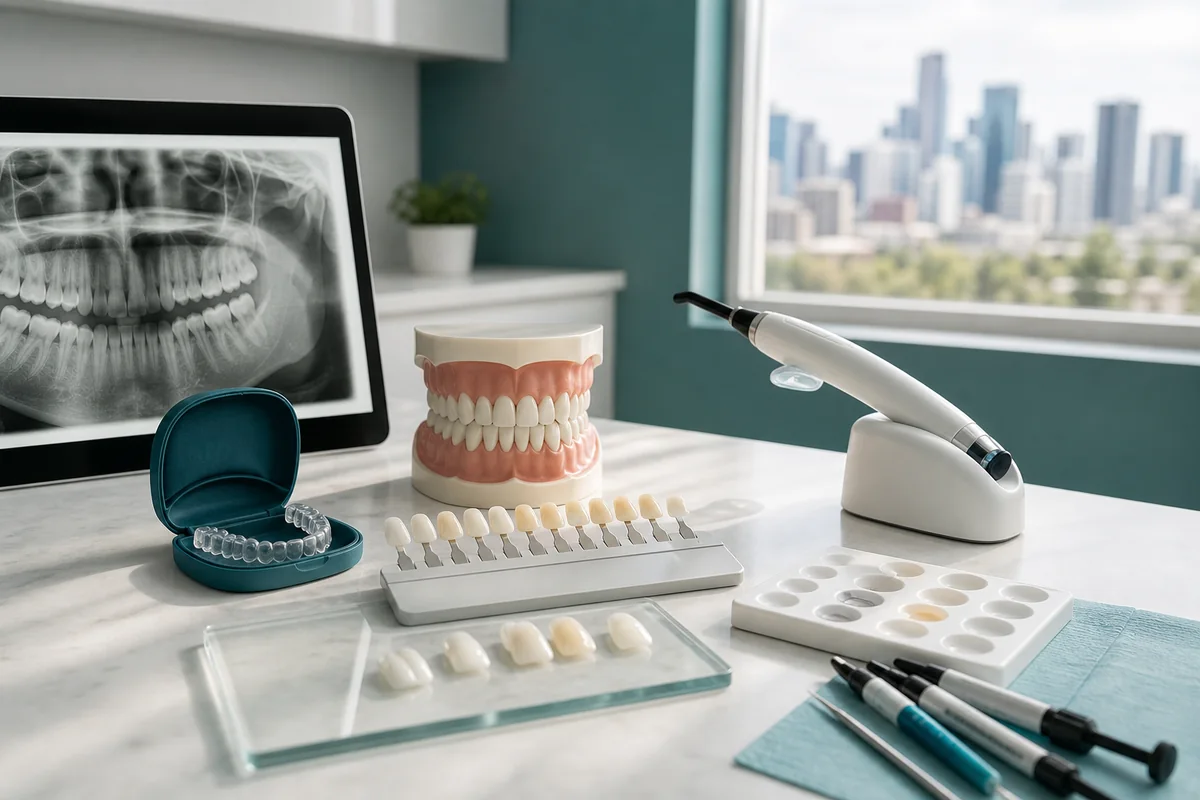
Tooth-coloured does not just mean cosmetic
Composite restorations are often chosen because they blend with the smile, but they are also useful when the dentist wants to bond directly to the tooth and conserve healthy structure.
Tooth-coloured restorations may also be part of broader cosmetic dentistry, especially when older visible fillings, chipped edges, or worn restorations affect the appearance of the smile.
A Minimally Invasive Philosophy
A conservative, minimally invasive approach means protecting healthy tooth structure and intervening with the least amount of treatment that still solves the problem properly. Digital imaging supports this by helping the dentist diagnose issues more precisely and plan carefully.
This philosophy fits naturally with preventive care. Regular checkups and cleanings help catch small issues before they require larger treatment, and careful planning helps avoid unnecessary work.
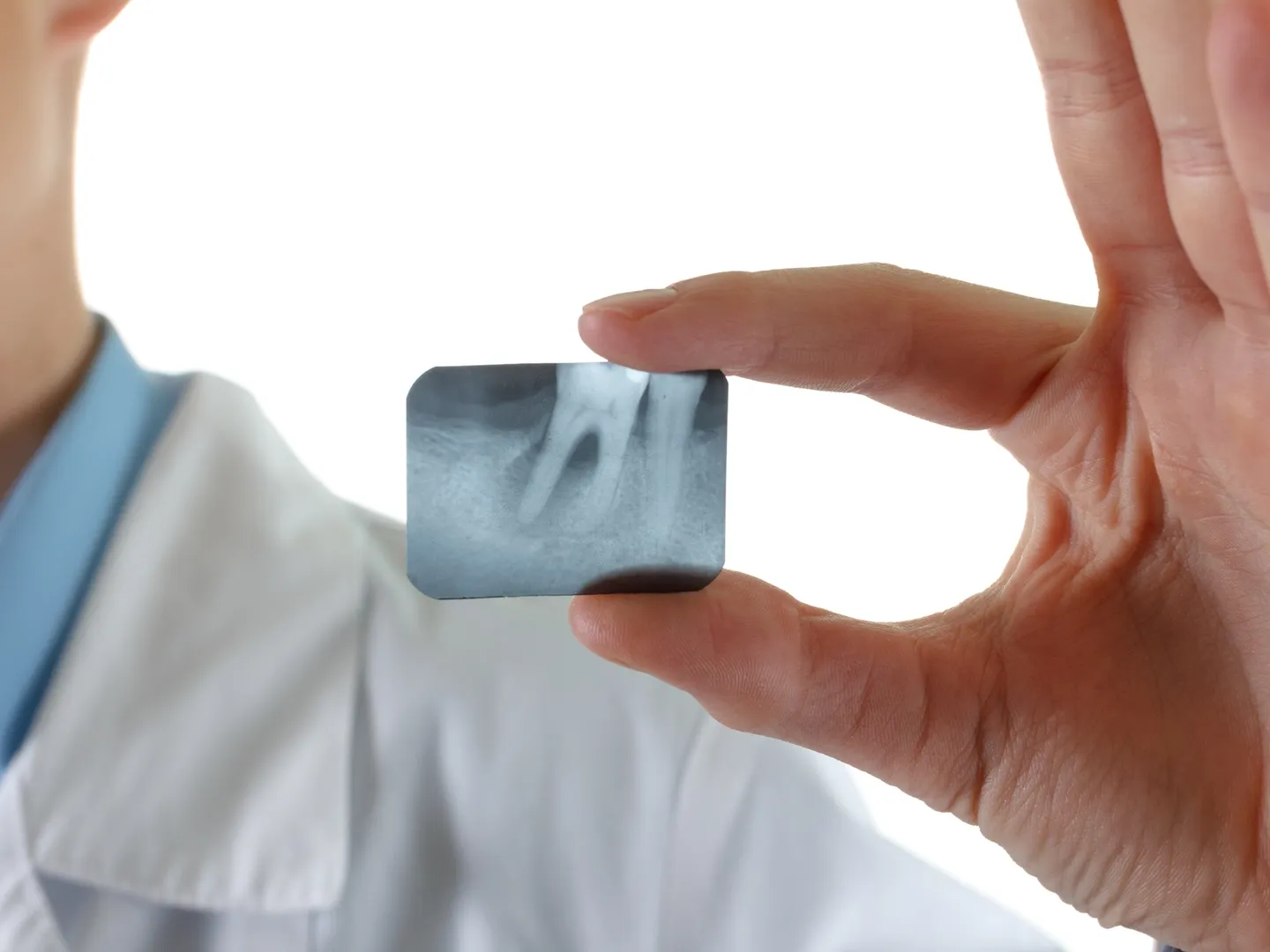
Digital diagnostics help the team understand what is happening before recommending treatment.
Understanding the Claims You Read Online
When researching holistic, biological, or biocompatible dentistry, you will encounter a wide range of claims. Some are grounded in sensible preferences, such as wanting tooth-coloured materials or conservative treatment. Others may be overstated or not supported by strong scientific evidence.
It is wise to approach health claims critically and rely on regulated, evidence-based information. A good dentist should be willing to discuss your material preferences, explain what is known, and help you make a decision based on your specific case.
Balanced information matters
Health Canada provides public information on dental-device safety, including dental amalgam. You can review Health Canada oral health information as a starting point, then discuss your personal questions with a licensed dentist.
The safest approach is not to rely on fear-based claims. It is to ask clear questions, understand your options, and choose materials and treatment plans that make sense clinically.
A Modern, Patient-Centred Approach at TOOTHbar
TOOTHbar offers many of the features patients are often looking for when they search for biocompatible dentistry: mercury-free composite restorations, tooth-coloured materials, digital diagnostics, and a conservative approach that respects your natural teeth.
The practice also has an in-house dental lab, which supports custom restorations and close communication between the clinical and restorative stages of care.
Your preferences are part of the conversation
If you have specific questions about materials, metal-free options, older fillings, or a minimally invasive approach, bring them up at your visit. The team can explain what applies to your case and what options are available.
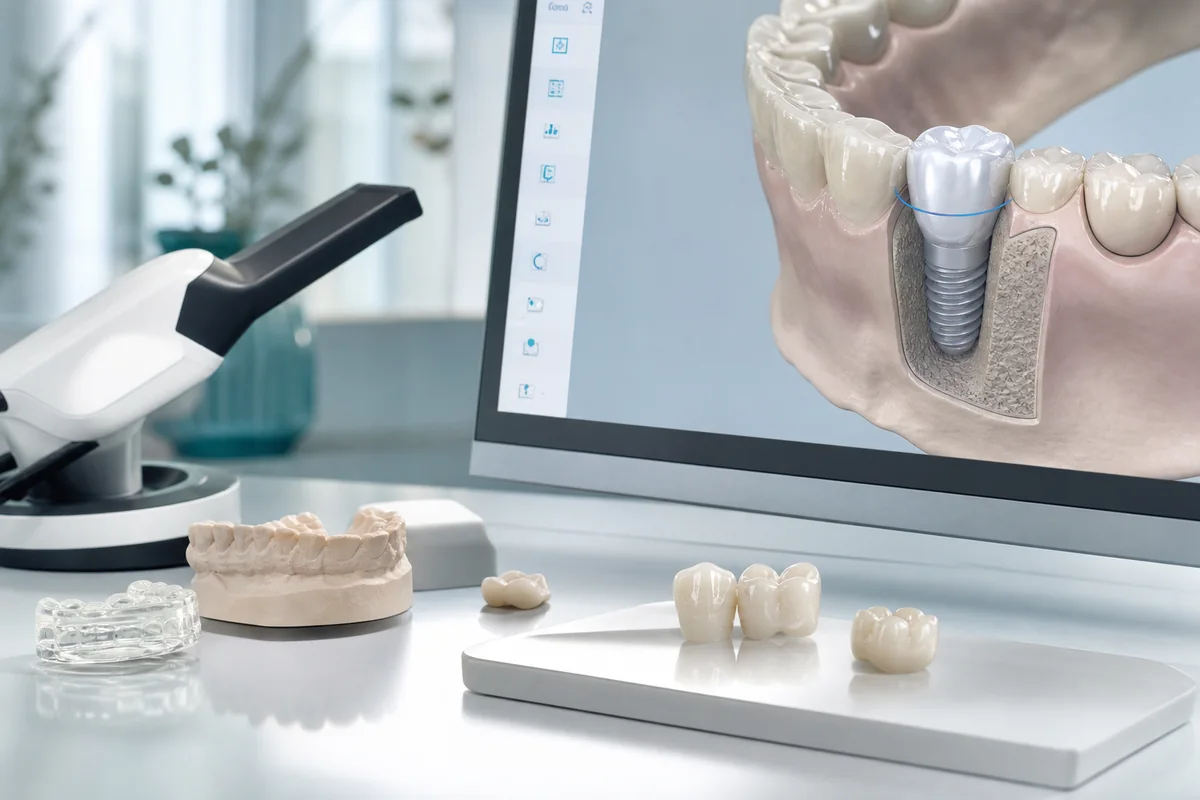
The most important thing to know is that biocompatible dentistry should not replace sound clinical judgment. It should support it, combining modern materials, careful planning, and a respect for preserving natural tooth structure wherever possible.
Frequently Asked Questions
What is the difference between holistic, biological, and biocompatible dentistry?
These terms overlap and describe a care philosophy rather than formal dental specialties. In practice, they usually point to mercury-free, tooth-coloured materials and a conservative, minimally invasive approach rather than a fixed list of procedures.
Does TOOTHbar use mercury-free fillings?
Yes. TOOTHbar uses tooth-coloured composite resin fillings that bond to the tooth and preserve more natural structure rather than traditional metal amalgam.
Are holistic dentistry health claims reliable?
Some claims are well supported and some are not. It is wise to rely on regulated, evidence-based sources such as Health Canada and to discuss your questions with a licensed dentist.
Can I choose metal-free materials for my treatment?
In many cases, yes. Modern tooth-coloured materials are widely used for fillings and many restorations. Your dentist can discuss the options that suit your case.
Want to ask about mercury-free or tooth-coloured dental materials?
Ready to book? Schedule online through the TOOTHbar booking widget or call the team at 1-403-246-1002. TOOTHbar is located in the Elbow Drive medical complex in southwest Calgary, convenient to Chinook Centre, Britannia, and Lakeview.
Curious to meet the doctor first? Book your free video consult and connect with Dr. Murray from the comfort of home. No pressure, just a calm way to ask questions before choosing your next step.