Snoring, Poor Sleep and Your Mouth: What a Dentist Can Notice
You might not expect a dentist to care about how you sleep. But the mouth, jaw and airway are closely connected, and dental teams often see clues that deserve a conversation.
This post explains what we look for, what we cannot do, and when we will point you toward your doctor.
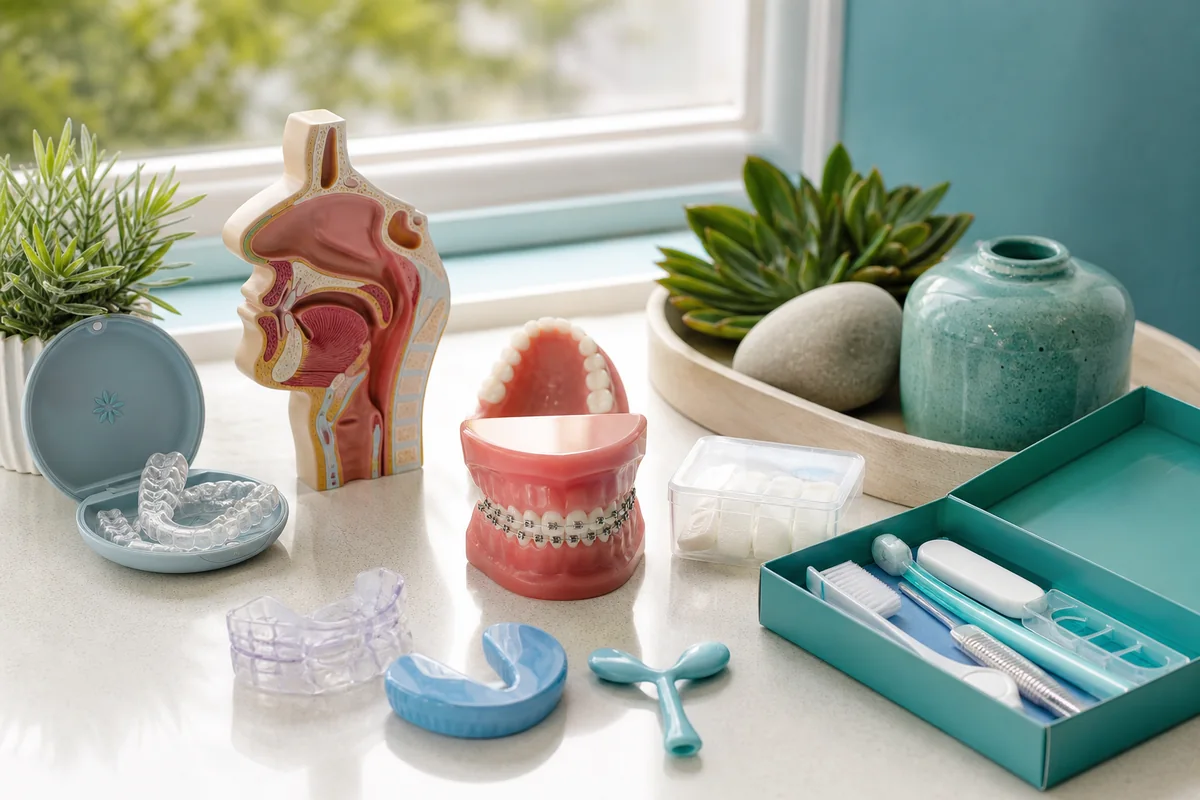
Questions about breathing and sleep are part of understanding your whole health.
In this guide
- Why your dentist cares about breathing
- Signs a dentist may notice
- What a dentist can and cannot do
- Questions that are worth bringing up
- What about children?
- How teeth wear and sleep can be connected
- What a screening conversation looks like
- When to speak with your doctor promptly
- Adults and children are different
- What to bring to your visit
- Frequently asked questions
Why your dentist cares about breathing
The way we breathe, swallow and rest our tongue shapes the growth of the jaws in children and affects comfort and function in adults. Mouth breathing, a narrow upper jaw, a tongue that sits low, or a bite that does not close together can all be part of the picture. Our airway-aware approach to orthodontics pays attention to these links, and the same curiosity applies to adults.
Signs a dentist may notice
A prompt, not a diagnosis
None of these signs prove a sleep problem. They are prompts to ask questions and, if needed, to refer.
What a dentist can and cannot do
Dentists do not diagnose sleep apnea. That is done by a physician, often after a sleep study. What we can do is screen with a few questions, share what we see, and help you connect with the right professional.
Where it is appropriate and within a dentist's scope, some patients work with their physician and dental team on treatment options. Dr. Knebel can explain what is and is not suitable for you at a consultation.
Questions that are worth bringing up
If several of these sound familiar, tell your dentist and your family doctor.
What about children?
Early habits matter. Persistent mouth breathing, restless sleep or crowded teeth in a child are worth mentioning at a visit. Catching patterns early can open more gentle options while the jaws are still growing.
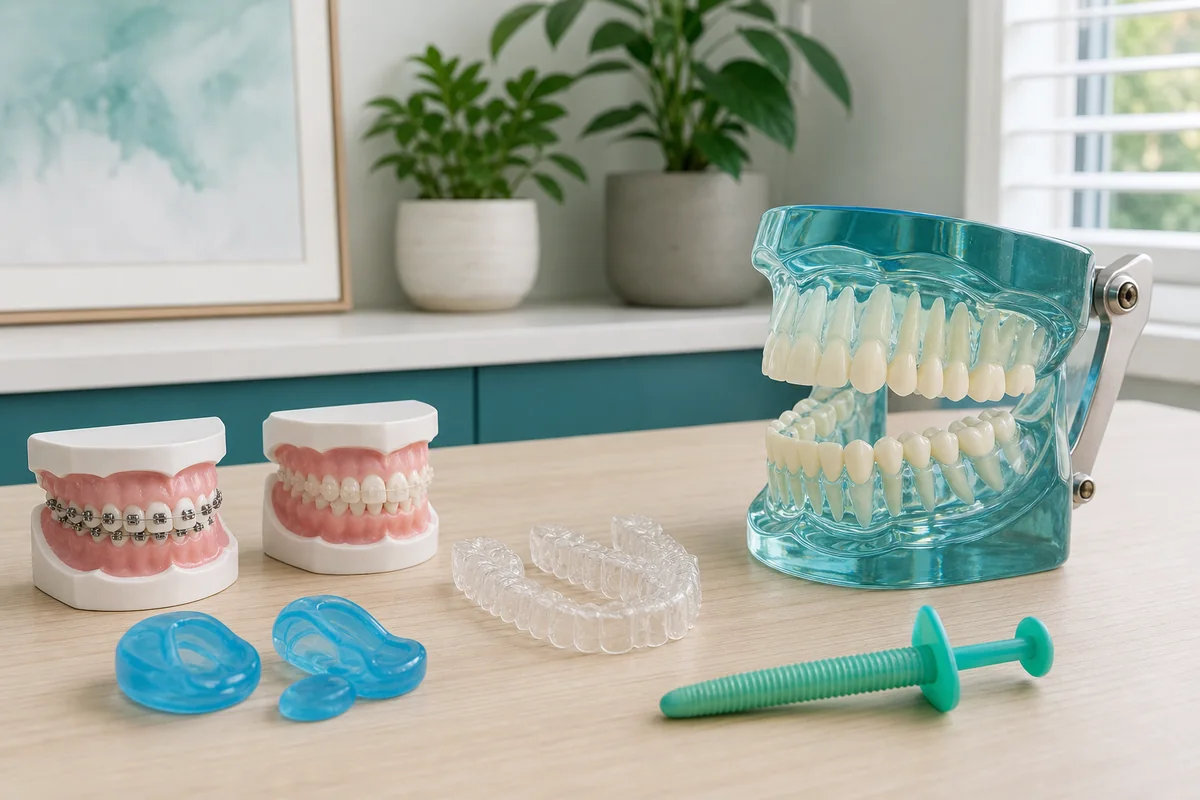
Jaw growth in childhood is closely linked to breathing habits.
How teeth wear and sleep can be connected
Flattened edges, small chips and worn enamel are common signs of clenching or grinding, often called bruxism. Many people are unaware they do it, because it happens during sleep. There are several possible contributors, including stress, bite patterns and how well someone is breathing at night.
That is why we ask questions rather than assume. Wear on the teeth is a clue, not a conclusion, and a careful conversation helps decide whether a night guard, a referral or simple monitoring is the right next step.
What a screening conversation looks like
It is simple and unhurried. We ask about sleep, snoring, energy during the day, jaw comfort and breathing. We look at your teeth, tongue, palate and bite. If something stands out, we explain what we noticed in plain language and talk through who might be the right person to follow up with.
If you would like to see what a broader first visit looks like, read our guide to your first visit to a holistic dental studio.
When to speak with your doctor promptly
Some symptoms deserve medical attention rather than a wait-and-see approach. Please speak with your doctor if you or a partner notice any of the following.
Dentists support, physicians diagnose
If your doctor arranges a sleep study or other assessment, we are glad to share what we see in the mouth so your care team has the full picture.
Adults and children are different
In children, the focus is on growth: how the jaws develop, how the child breathes and how the teeth are coming in. In adults, the focus is on function and comfort: wear, jaw tension, gum health and how breathing may affect sleep. Both benefit from a team that asks the right questions early. Our airway-aware orthodontics post explains how this thinking applies to growing smiles.
What to bring to your visit
You do not need to prepare much, but a few notes help. Jot down any snoring or breathing observations from a partner, how rested you feel in the morning, any jaw clicking or soreness, and a list of medications. If you have had a sleep study or a recent visit to your doctor about sleep, bring a summary. This helps us understand your whole health, which is the point of a holistic visit. It also fits into the preventive plan we describe in how to keep your teeth for life.
Frequently asked questions
Can a dentist treat sleep apnea?
A physician diagnoses sleep apnea. In some cases, dentists work alongside physicians as part of a care team. Ask us what is appropriate for you.
Should I see my doctor first?
If you have symptoms such as loud snoring, pauses in breathing or severe daytime tiredness, please speak with your doctor.
Is this part of a regular visit?
Yes, we ask about breathing and sleep as part of understanding your whole health.
Is teeth grinding the same as sleep apnea?
No. Grinding and sleep apnea are different issues, although they can sometimes occur together. Grinding is about how teeth meet during sleep, while sleep apnea is a breathing condition diagnosed by a physician.
Can children grow out of mouth breathing?
Sometimes, but not always. If your child breathes through their mouth regularly, snores or sleeps restlessly, it is worth mentioning to your dentist and your child’s doctor so the cause can be looked at.
Will TOOTHbar arrange a sleep study?
Sleep studies are arranged through your physician. We can share what we notice in the mouth and help you start the conversation with your doctor.
Have questions about breathing and your bite?
Start with a free video consultation from home, or book a visit and we will talk it through with you.
TOOTHbar is a family-owned, holistic dental studio led by Dr. Murray Knebel, DDS, at Suite #217, 6707 Elbow Drive SW, Calgary, AB T2V 0E4. Call us at 403-246-1002.
This article is general information and does not diagnose or treat any condition. If you have concerns about your sleep or breathing, see your physician.