Wisdom Teeth Removal in Calgary: When It Is Needed and When It Is Not
Wisdom teeth have a reputation that precedes them. For many people, the story goes: they come in, they cause trouble, they get removed, preferably all four at once, preferably as a teenager. It is treated as a rite of passage, almost inevitable.
The reality is more nuanced, and the nuance matters. Sometimes wisdom teeth genuinely need to come out. Sometimes monitoring is the better call. And sometimes the rush to extract says more about habit than about your mouth. At TOOTHbar, the conservative question comes first: is removal actually needed, or would watchful waiting serve you better? That restraint is the holistic answer, and it is exactly what prevention-focused patients are looking for.

A wisdom tooth decision should start with your own imaging, symptoms, and an honest conversation, not a default rule.
What wisdom teeth are and why they cause trouble
Wisdom teeth are the third molars, the last teeth to develop, typically emerging between seventeen and twenty-five. Our distant ancestors needed them; their coarse diet wore teeth down, and the extra molars were useful replacements. Modern diets and smaller jaw development mean many of us simply do not have room for them.
When there is not enough room, wisdom teeth can become impacted, meaning they cannot fully emerge, emerging at an angle, or stuck beneath the gum or against the neighbouring molar. Partially emerged teeth are hard to clean, which invites decay and gum infection. Impacted teeth can damage adjacent teeth, contribute to crowding, or develop cysts in uncommon cases.
"Can cause trouble" and "will cause trouble" are different statements.
The difference is where good dentistry lives.
When removal is the right call
There are clear situations where extraction is the appropriate recommendation:
In these cases, a clear recommendation for removal is not aggressive dentistry. It is honest dentistry.
When monitoring beats extraction
Here is the side of the conversation that gets less airtime. Many wisdom teeth are not causing problems and may never cause problems. For these, watchful waiting, structured monitoring over time, is often the better choice.
Avoiding surgical risk when surgery is not needed
The case for monitoring is straightforward: surgery, even routine surgery, carries some risk, cost, and recovery time. When the tooth is not causing harm, those costs buy you nothing. A practice that recommends monitoring when monitoring is warranted is a practice you can trust when it recommends treatment.
What watchful waiting looks like in practice
Monitoring is not "doing nothing." It is a structured process:
Baseline imaging
A panoramic x-ray or 3D scan establishes exactly where each wisdom tooth sits, its angle, and its relationship to neighbouring teeth and nerves. This is the reference point.
Defined recall intervals
Depending on the situation, your wisdom teeth are reviewed at your regular preventive visits or on a specific monitoring schedule. The interval is chosen based on risk, not left to chance.
What is being watched
Changes in position, signs of decay, gum health around partially emerged teeth, any effect on adjacent teeth, and any symptoms you report. At TOOTHbar's preventive visits, this monitoring happens naturally inside the broader assessment.
Clear thresholds
You and your dentist agree in advance on what would trigger a change in plan: recurrent infection, measurable damage to a neighbour, new symptoms. If a threshold is crossed, the conversation about removal happens with full information, not as a surprise.
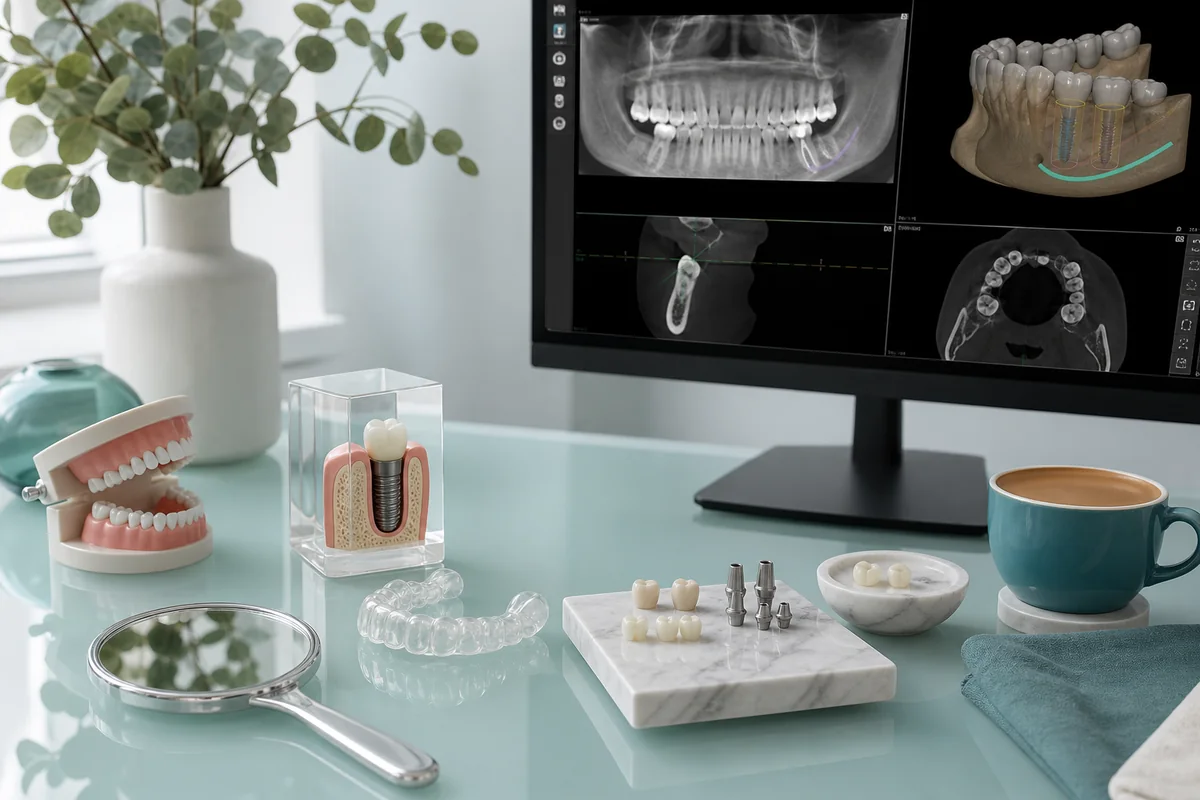
Baseline imaging maps each wisdom tooth's position, angle, and relationship to neighbouring teeth and nerves, the reference point for watchful waiting.
This is the long-term monitoring relationship in miniature. Regular eyes on the situation, honest communication, action when warranted, patience when it is not.
How regular preventive visits catch problems early
There is a direct connection between the preventive rhythm and wisdom tooth outcomes. Most wisdom tooth emergencies, the sudden swelling, the severe pain over a long weekend, follow a period where warning signs were present but unseen.
Regular preventive visits catch those signs when options are widest. Early gum inflammation around a partially emerged tooth can be managed before it becomes a recurring infection. A subtle change on imaging can prompt a timely conversation rather than an urgent one. A tooth that is slowly shifting can be evaluated while extraction, if needed, is still straightforward.
This is prevention doing what prevention does: keeping small situations small and giving you choices instead of emergencies.
The procedure itself, when it is needed
If removal is recommended, here is what to expect. The procedure is typically done under local anaesthesia with sedation options available for anxious patients. A single straightforward extraction may take twenty minutes; more complex impactions take longer. Most patients manage recovery with prescribed pain protocols, cold compresses, and a few days of soft foods. Your team will give you detailed aftercare instructions and a direct line for any concerns during healing.

Recovery is usually managed with prescribed pain protocols, cold compresses, and a few days of soft foods.
Less dramatic than the reputation suggests
The experience is far less dramatic than the reputation suggests, particularly when the tooth is removed at the right time rather than as an emergency.
Related reading
Frequently Asked Questions About Wisdom Teeth Removal
Does everyone need their wisdom teeth removed?
No. This is one of the most persistent myths in dentistry. Many people keep their wisdom teeth without issue. The decision should be based on your specific situation, imaging, and symptoms, not on a default.
What is the best age for wisdom tooth removal?
There is no universal best age. Removal is typically simplest in the late teens to mid-twenties when roots are less fully formed, but the timing should follow the clinical picture, not the calendar. Monitoring first, deciding on evidence.
Is wisdom tooth removal painful?
The procedure itself is done under anaesthesia, so you will not feel it. Recovery involves soreness for several days, managed with prescribed protocols. Most patients are surprised by how manageable it is.
What are the risks?
As with any surgery, there are risks, including dry socket, infection, and, for lower wisdom teeth, temporary or rarely persistent numbness from nerve proximity. Your dentist will discuss the specific risk profile for your case before you decide. This is part of why monitoring-when-appropriate is valuable: it avoids surgical risk when surgery is not needed.
Can wisdom teeth cause crowding of my front teeth?
The evidence for wisdom teeth pushing front teeth out of alignment is weaker than popular belief suggests. Late crowding has multiple causes. An airway-aware assessment looks at the fuller picture rather than blaming the wisdom teeth by default.
Your next step.
If you have been told your wisdom teeth must come out, or if you are wondering whether yours need attention, get a second perspective grounded in monitoring as well as treatment. Book an assessment at TOOTHbar, or start with a free virtual consultation to discuss your situation. You will get honest imaging, a clear explanation of your options, and a recommendation you can trust, whether that is timely removal or confident watchful waiting inside a preventive relationship.
TOOTHbar is a family-owned dental studio led by Dr. Murray Knebel in southwest Calgary. Book an appointment online, start with a free video consultation from home, or call the studio at 403-246-1002.