How to Pay for Dental Care in Calgary: Insurance, Direct Billing, and Financing
Dental insurance, direct billing, estimates, annual maximums and financing can make paying for dental care feel more complicated than the treatment itself. It becomes much easier once you understand what each piece actually does.
At TOOTHbar in southwest Calgary, transparency is part of the way treatment is planned. The team can provide a clear estimate, bill most major dental insurance providers directly, and discuss financing through Beautifi when a larger treatment plan needs to be spread over time.
This guide walks through the practical side of paying for dental care so you know which questions to ask before treatment begins.
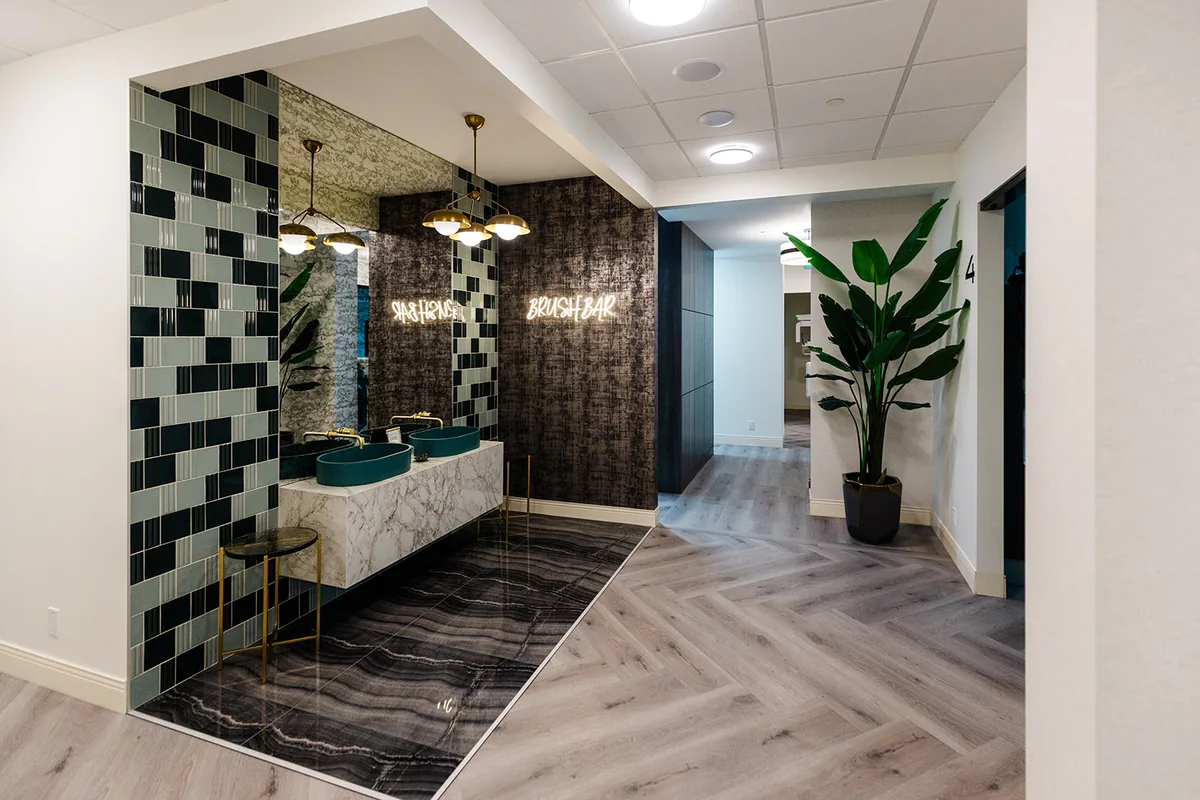
Clear estimates, direct insurance billing and financing options can make the financial side of dental care easier to understand.
In this guide
- The three main ways dental care is paid for
- Start with your dental insurance
- How direct insurance billing works
- Why a treatment estimate matters
- Understanding the Alberta Dental Fee Guide
- Monthly dental financing through Beautifi
- Planning for larger treatment
- Using preventive care wisely
- Questions to ask before treatment
- Frequently asked questions
The Three Main Ways Dental Care Gets Paid For
Most patients use one option or a combination of several. Understanding the difference helps you work out your real out-of-pocket cost.
An employer or private dental plan may reimburse eligible services according to the terms of your specific policy.
Deductibles, co-insurance, services above a plan maximum and non-covered treatment may remain your responsibility.
For larger balances, financing can allow approved patients to divide the remaining cost into payments over time.
Insurance and financing are not the same thing
Dental insurance may reimburse part of an eligible treatment. Financing is a way to pay an amount you still owe over time. Understanding your insurance first helps you avoid financing a larger amount than necessary.
Where Dental Financing Starts: Understand Your Insurance
If you have dental benefits through work, a spouse, a family member or a private plan, start by understanding that coverage before deciding how to pay the remaining balance.
Every plan is different. Even two employees working for different companies but using the same insurance company can have completely different dental benefits.
The Alberta Dental Association notes that dental plans are contracts between the patient, employer or plan sponsor and the insurer. Your dental office can help submit information, but the terms of the insurance plan ultimately determine what is reimbursed.
For independent information, see the Alberta Dental Association guide to dental benefits.
Direct Insurance Billing: What Does It Actually Mean?
Direct billing means the dental office sends your claim information to your insurance provider rather than handing you paperwork to submit on your own.
Less paperwork, clearer information
TOOTHbar currently states that it bills most major Canadian dental insurance providers directly.
Depending on the insurer and plan, this can reduce the amount of reimbursement paperwork you have to manage yourself.
Direct billing does not mean every treatment is fully covered. Your plan can still include deductibles, percentage limits, annual maximums, frequency limitations or services that are not eligible.
When the insurer does not cover the full treatment amount, the remaining balance is still your responsibility.
If you want the team to review your insurance details before a visit, you can contact the studio.
Before Larger Treatment, Ask for an Estimate
One of the most useful steps you can take before more involved treatment is to understand the proposed treatment and associated cost before anything begins.
For treatment with a larger financial commitment, your dental office may also be able to submit a predetermination or pre-treatment estimate to your insurance plan.
A predetermination can help show what the plan expects to reimburse based on the information submitted. It is still important to read the insurer's response carefully because benefit availability can depend on your plan status and remaining limits when the actual treatment is completed.
A treatment estimate and an insurance estimate answer different questions
Your dental treatment estimate tells you what the proposed care is expected to cost. Your insurer's response tells you what the dental plan may reimburse. The difference between the two helps you understand your potential out-of-pocket amount.
Clear Financial Planning Starts With Clear Clinical Planning
You cannot meaningfully price dental treatment until you know what treatment is actually needed.
After the examination and diagnostic records are complete, the team can explain the recommended care, alternatives where appropriate, expected fees and which parts may need to be sent to your insurer for review.
What Does the Alberta Dental Fee Guide Mean?
You will often hear Calgary dental practices refer to the Alberta Dental Fee Guide. It is important to understand what that term means.
The Alberta Dental Association publishes a suggested fee guide to give Albertans information about common dental procedures and fees. It also clearly states that each dentist sets their own fees and that the guide may not reflect the exact cost of your individual care.
TOOTHbar describes its pricing as based on the Alberta Dental Fee Guide, which supports the practice's focus on transparent treatment estimates.
Review the Alberta Dental Association's 2026 dental fee information for an explanation of how the suggested fee guide works.
The number that matters is your written estimate
A fee guide provides context. Your own estimate reflects the diagnosis, procedure, materials and treatment plan actually being proposed for you.
Monthly Dental Financing Through Beautifi
Insurance can help with eligible care, but some treatment still involves a significant patient portion. This is particularly common with comprehensive orthodontics, dental implants and larger cosmetic or restorative treatment plans.
TOOTHbar currently offers financing through Beautifi. Financing allows approved patients to spread eligible treatment costs over time rather than paying the entire remaining balance at once.
Financing is subject to the lender's application, approval, interest rate and terms, so the best way to evaluate it is after you know your actual treatment cost and expected insurance contribution.
A simple way to think about the numbers
Planning for Larger Dental Treatment
The same financial framework becomes especially useful when treatment involves several appointments or a larger overall investment.
For example, All-on-4 full-arch implants can involve treatment planning, imaging, surgical care and a final restoration. TOOTHbar's live All-on-4 page states that patients receive a clear written estimate at consultation and that Beautifi financing is available.
Cosmetic care can also combine several services. A smile makeover may involve whitening, bonding, veneers or other treatments depending on the individual plan, which is why pricing is broken down during consultation rather than advertised as one universal package.
In both situations, the sensible order is the same: understand the treatment, receive the estimate, determine any insurance contribution, and only then decide how you want to handle the remaining balance.
A Quick Word About Preventive Care
Good financial planning in dentistry is not only about figuring out how to pay for treatment after a problem appears.
Regular examinations and preventive care give your dental team opportunities to identify changes earlier and discuss them before they become more involved.
The Alberta Dental Association similarly encourages preventive home care and regular dental care as part of reducing the amount of dental treatment that may be required over time.
If your benefit plan includes preventive services, understanding when those benefits are available can also help you make better use of the coverage you already have.
7 Questions to Ask Before You Start Treatment

TOOTHbar is a family-owned dental studio in the Elbow Drive medical complex in southwest Calgary.
Frequently Asked Questions About Dental Financing in Calgary
Does TOOTHbar offer direct insurance billing?
Yes. TOOTHbar states that it bills most major Canadian dental insurance providers directly. The amount your plan reimburses depends on the specific terms of your coverage, and any remaining balance is the patient's responsibility.
Can I pay for dental treatment in monthly instalments?
TOOTHbar offers financing through Beautifi for eligible patients. Financing approval, interest rates and repayment terms are determined by the financing provider, so review the specific terms offered for your treatment amount.
How do I know what my dental insurance covers?
Coverage varies by plan. Check your annual maximum, reimbursement percentages, deductibles, frequency limits and any separate orthodontic or major-treatment benefits. For larger care, a predetermination may provide useful information about expected reimbursement before treatment begins.
Does direct billing mean I pay nothing at my appointment?
No. Direct billing refers to how the insurance claim is submitted. You may still have a deductible, co-insurance amount, non-covered services or costs beyond the limits of your dental plan.
Does TOOTHbar follow the Alberta Dental Fee Guide?
TOOTHbar describes its pricing as based on the Alberta Dental Fee Guide. The Alberta Dental Association explains that its guide is a suggested fee guide and that individual dentists set their own fees. Your written treatment estimate is the best source for the actual cost of your care.
Can insurance and financing be used together?
They can play different roles in the same treatment plan. Eligible insurance benefits may reimburse part of the cost, while approved financing may be used to manage some or all of the remaining patient balance.
Have questions about insurance or paying for treatment?
Start with the numbers that actually apply to you. TOOTHbar can explain your proposed treatment, provide an estimate, help with direct insurance billing where available, and discuss financing options for a remaining balance.
TOOTHbar is located in the Elbow Drive medical complex in southwest Calgary. Book online, start with a free video consultation, or call the studio at 403-246-1002.