Porcelain Veneers vs Dental Bonding: Which Is Right for Your Smile?
Choosing between porcelain veneers vs dental bonding is one of the most common decisions cosmetic patients face, and both can beautifully address chips, gaps, stains, and worn edges. The right choice depends on your goals, bite, budget, and how much change you are after.
This guide compares the two side by side so you can walk into your consultation informed. At TOOTHbar in southwest Calgary, Dr. Murray Knebel offers both porcelain veneers and dental bonding, and the digital planning process helps you see which option fits your smile best.
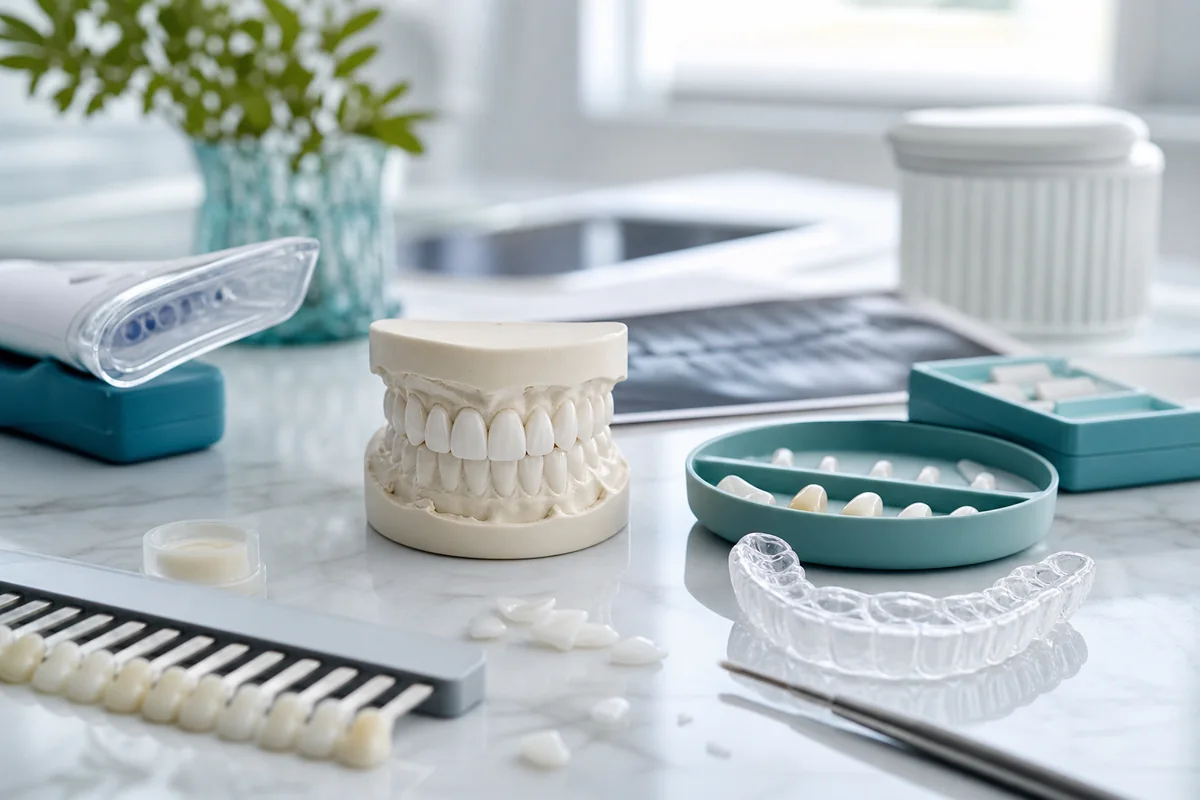
Veneers and bonding can both improve chips, gaps, worn edges, and discoloration, but they solve different problems in different ways.
The Quick Answer on Porcelain Veneers vs Dental Bonding
Dental bonding uses a tooth-coloured composite resin shaped directly onto your tooth in a single visit. It is a conservative, budget-friendly way to fix small imperfections.
Porcelain veneers are thin, custom-made shells bonded to the front of your teeth. They offer a longer-lasting, stain-resistant, and highly natural result for more significant changes.
Neither option is automatically better
Bonding shines for quick, minor fixes. Veneers shine for comprehensive smile transformations that need to last. The right choice depends on the size of the change, your bite, your budget, and how long you want the result to hold up.
If you are thinking about a bigger change to shape, colour, and symmetry, veneers may be part of a broader smile makeover. If the concern is smaller, bonding may be enough.
Comparing Cost
Bonding is the more affordable option. In Calgary, dental bonding often ranges from about $150 to $600 per tooth, while porcelain veneers generally range from about $1,200 to $2,500 per tooth. These are planning ranges, not quotes, and your case determines the actual fee.
Because veneers involve custom lab work and premium materials, the higher investment reflects their durability and appearance. Bonding is easier on the budget up front, which matters when only one or two teeth need attention.
| Factor | Dental bonding | Porcelain veneers |
|---|---|---|
| General Calgary planning range | About $150 to $600 per tooth | About $1,200 to $2,500 per tooth |
| Best for | Small chips, minor gaps, slight shape changes, and budget-friendly cosmetic fixes | Larger changes to tooth shape, colour, length, symmetry, and overall smile design |
| Typical timeline | Often completed in one visit | Usually completed over two or more visits |
| Stain resistance | Can stain over time | Highly stain-resistant |
| Longevity | Usually needs touch-ups or replacement sooner | Can last well over a decade with good care |
For broader oral health guidance, you can also review the Canadian Dental Association oral health resources.
Comparing Durability and Maintenance
Porcelain veneers are highly stain-resistant and, with good care, can last well over a decade. Bonding resin can stain over time and is more prone to chipping, so it typically needs touch-ups or replacement sooner.
Both benefit from the same habits: good oral hygiene, regular cleanings, and avoiding using your teeth as tools. If you clench or grind your teeth, a nightguard protects either option.
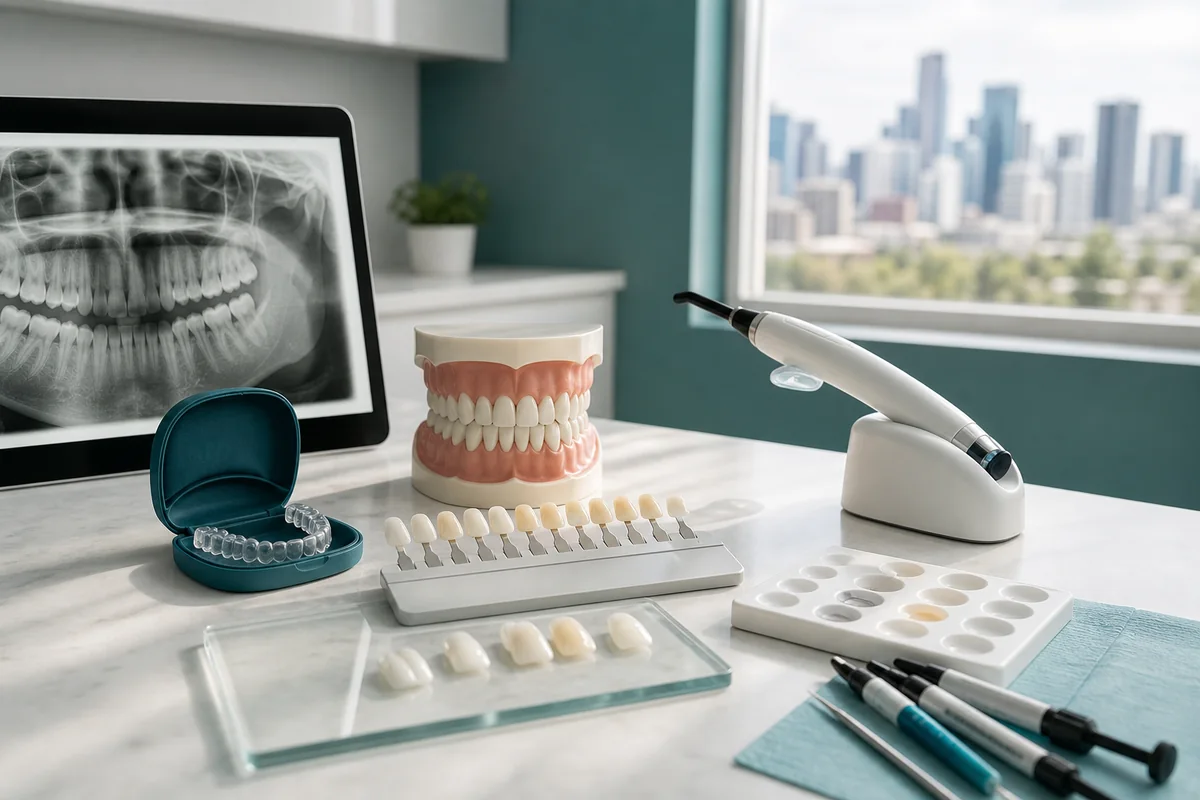
Your bite matters too
If an unhealthy bite position is contributing to your dental breakdown, clear aligner treatment may be suggested before cosmetic restorations are placed. That can help protect the final result and reduce the risk of future chips or wear.
Comparing the Procedure
Bonding is usually completed in one visit with little or no enamel removal, and often no anaesthetic is needed. The composite material is shaped, polished, and blended to your natural tooth colour during the appointment.
Veneers typically take two visits. The first visit prepares the teeth and lets you try on your temporary veneer design. The second visit places the permanent porcelain upgrade once the design is comfortable and you love the look.
That difference in reversibility matters to some patients. Bonding is the more conservative starting point, while veneers are a longer-term commitment with a longer-lasting payoff.
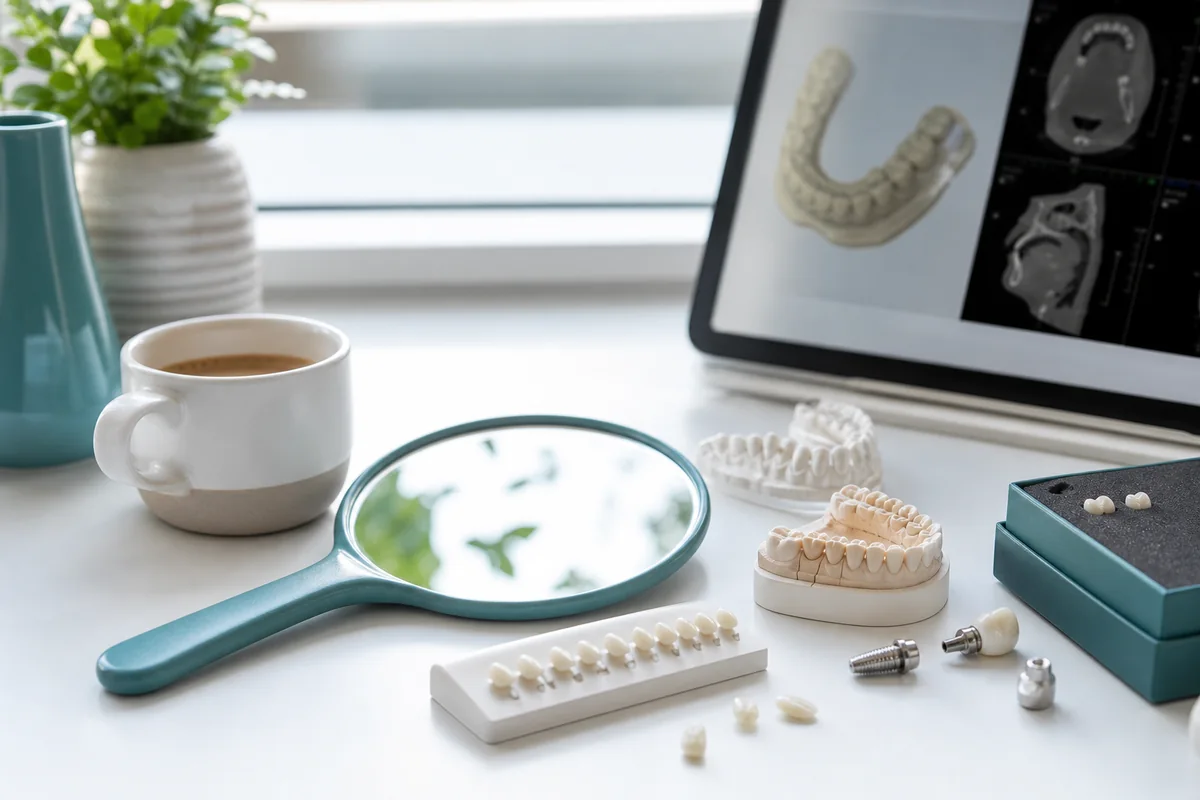
A cosmetic consultation helps you compare how bonding or veneers could change the final shape, colour, and balance of your smile.
Which Should You Choose?
When weighing porcelain veneers vs dental bonding, think about how much change you want and how long you want it to last. If you want to fix a single chip, close a small gap, or refresh a tooth or two on a modest budget, bonding is often the practical choice.
If you want to transform the shape, colour, and symmetry of several teeth with a result that resists stains for years, veneers are usually worth the investment.
The best way to decide is a consultation with digital imaging, so you can preview both directions before committing. It also helps to think about the future. Many patients begin with dental bonding for a quick, affordable improvement, then move toward porcelain veneers later when they are ready for a longer-lasting change.
You can plan in phases
Bonding and veneers can work together over time. You are not locked into a single path, and your dentist can sequence the work to match your goals, timing, and budget.

If small edge changes are part of your plan, your dentist may also discuss tooth contouring and reshaping as another conservative option.
Frequently Asked Questions
Which lasts longer, veneers or bonding?
Porcelain veneers generally last longer, often well over a decade with good care, while bonding typically needs touch-ups or replacement sooner because the resin can chip or stain.
Is bonding cheaper than veneers?
Yes. Bonding is the more affordable option per tooth, which makes it attractive for small, single-tooth fixes. Veneers cost more but offer greater durability and stain resistance.
Does getting veneers hurt?
The process is designed to be comfortable. A small amount of enamel is usually prepared, and local anesthetic keeps you at ease. Any sensitivity afterward is typically mild and temporary.
Can I switch from bonding to veneers later?
Most often, yes. Many patients start with bonding and move to veneers later. Your dentist can plan treatment so your options stay open.
Ready to compare veneers and bonding for your smile?
Ready to book? Schedule online through the TOOTHbar booking widget or call the team at 1-403-246-1002. TOOTHbar is located in the Elbow Drive medical complex in southwest Calgary, convenient to Chinook Centre, Britannia, and Lakeview.
Curious to meet the doctor first? Book your free video consult and connect with Dr. Murray from the comfort of home. No pressure, just a calm way to ask questions before choosing your next step.